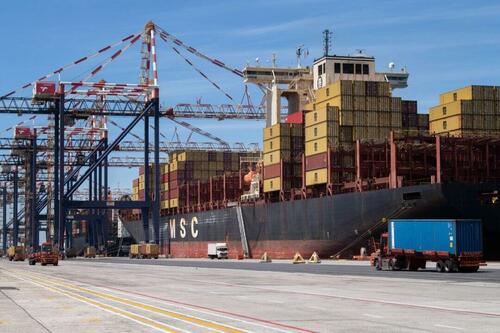
Authored by Rachel Roberts via The Epoch Times,
U.S. President Donald Trump signed a law this week extending a free-trade agreement for some African nations until the end of the year, Washington’s chief trade negotiator said.
U.S. Trade Representative Jamieson Greer said his department would work alongside Congress this year to update the program to align with Trump’s America First policy by expanding market access for U.S. businesses, farmers, and ranchers.
The African Growth and Opportunity Act (AGOA), established under President Bill Clinton in 2000 to provide duty-free access to the U.S. market for eligible sub-Saharan African countries for thousands of products, expired in September, jeopardizing hundreds of thousands of African jobs.
The U.S. House of Representatives passed legislation in January to extend the law for three years, but the Senate later limited the extension to one year, which the House concurred with. The agreement has also been backdated until last September, when it expired.
Diplomatic Tensions
Renewal of the trade program comes amid fears around the imposition of tariffs and strained relations between the United States and South Africa, the largest economy on the African continent and the main beneficiary of the AGOA.
Trump has accused the South African government of forming political, economic, and military alliances with Washington’s adversaries, including Iran, Russia, and communist China.
Trump last year condemned Pretoria for opposing Israel and accusing the U.S. ally in the Middle East of genocide in the Gaza Strip in a case lodged before the U.N. International Court of Justice.
The U.S. president has also accused the South African government of carrying out a genocide against white South Africans, particularly white farmers, and in March last year, offered asylum to “any Farmer (with family!) from South Africa, seeking to flee that country for reasons of safety.”
Trump last year boycotted the G20 major economies hosted by South Africa, which held the rotating presidency. In November, Trump said South Africa would not be invited to G20 meetings hosted this year by the United States, which assumed the group’s presidency in December.
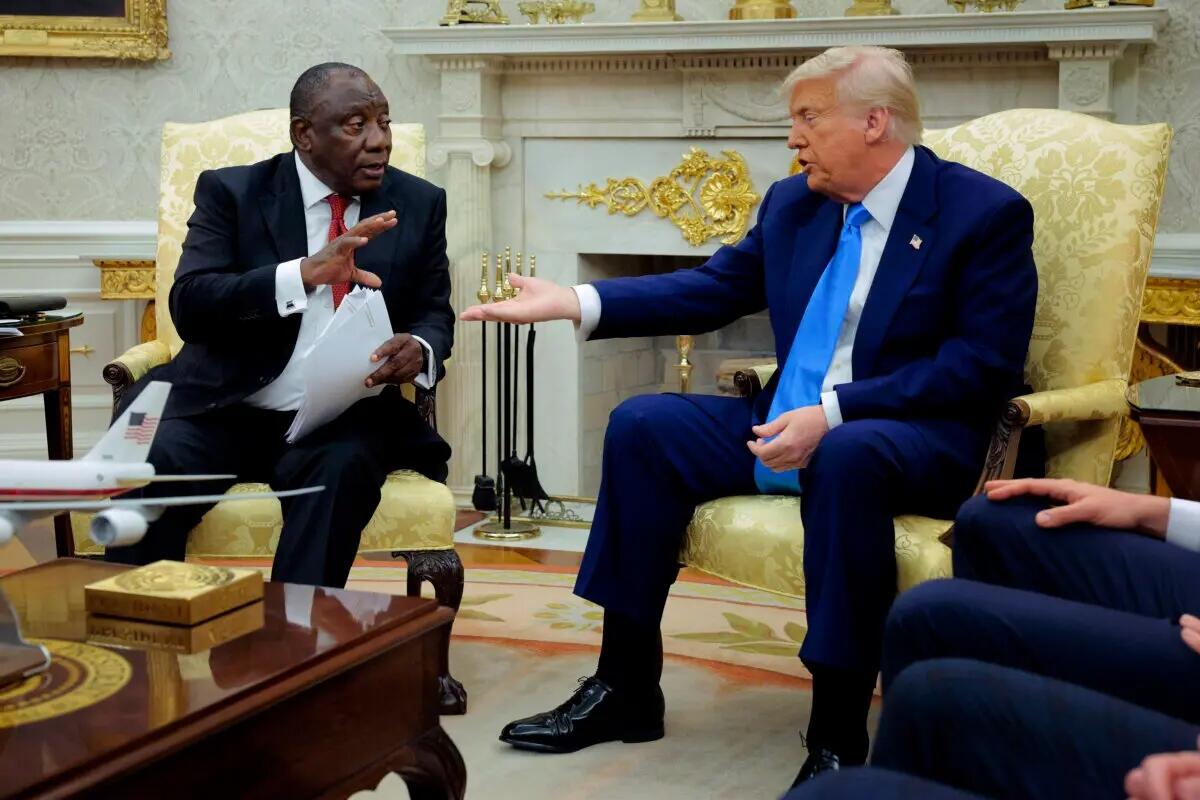
U.S. President Donald Trump and South African President Cyril Ramaphosa in the Oval Office at the White House on May 21, 2025. Chip Somodevilla/Getty Images
‘Certainty and Predictability’
South African Trade Minister Parks Tau last month welcomed the passing of the extension by Congress, which he said would “provide certainty and predictability for African and American businesses that rely on the program.”
The Office of the U.S. Trade Representative said it would work with relevant agencies to implement any modifications made to the government’s Harmonized Tariff Schedule as a result of the legislation reauthorizing the agreement with the African nations.
To qualify for duty-free treatment, the African countries must establish or make progress toward establishing a market-based economy, political pluralism, the rule of law, and the right to due process. As of 2025, 32 African countries were listed as eligible.
Countries that want to remain eligible must also eliminate barriers to U.S. trade and investment, enact policies aimed at reducing poverty, combat corruption, and safeguard human rights.
The East African country of Uganda was removed in 2024 for enacting a strict anti-gay law that the Biden administration labeled a human rights violation.
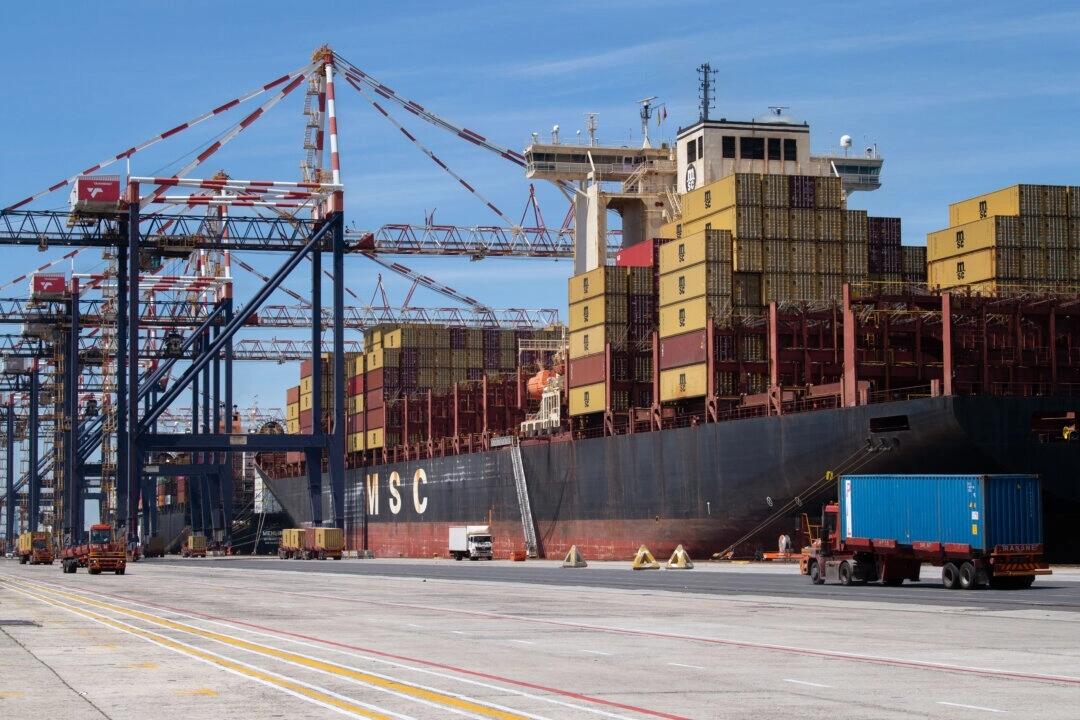
The agreement allows around 1,800 products to be exported to the United States duty-free, including crude oil, cars and car parts, clothes, textiles, and agricultural produce, driving much of the trade between the United States and Africa, valued at more than $100 billion in 2024 by the U.S. Trade Representative.
Since the introduction of the program, the South African economy has benefited to the tune of tens of billions of dollars in export products—including critical minerals, gemstones, motor vehicles, and fresh produce—to the United States without having to pay taxes.
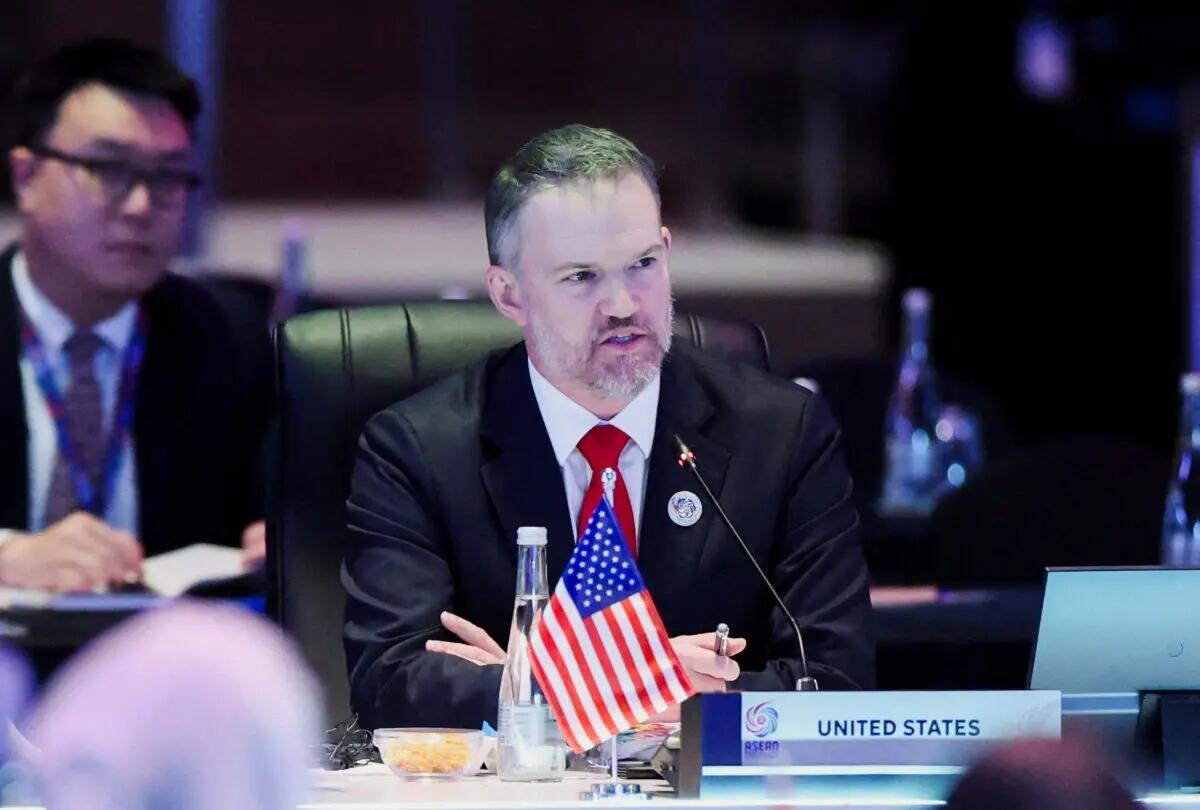
U.S. Trade Representative Jamieson Greer delivers opening remarks during the Association of Southeast Asian Nations (ASEAN) Economic Ministers' Meeting and U.S. trade representative consultation, in Kuala Lumpur, Malaysia, on Sept. 24, 2025. Reuters/Hasnoor Hussain/File Photo
Cuts to Aid
One of Trump’s first executive orders suspended $440 million in annual aid to South Africa, saying that policies implemented by the socialist government discriminate against the country’s white Afrikaner minority.
South African President Cyril Ramaphosa responded to Trump, saying that his administration “will not be bullied” and that it will continue to set its own domestic and foreign policies and “choose its own friends.”
U.S. ties with Africa’s second-largest economy, Nigeria, have been strained after Trump raised concerns about the persecution of Christians in the country.
Following the dismantling of the USAID program after the Department of Government Efficiency uncovered widespread waste and fraud, the United States has moved to renegotiate assistance methods for African countries, including a series of bilateral health agreements announced in recent months.
The pledges of assistance require African nations to invest in their own health care systems, which the Trump administration says should improve self-sufficiency and cut waste.