
DJI published a promotional video earlier this month that featured footage captured in heavily restricted airspace, including in United States National Parks and on Navajo tribal lands where drones are banned. The video quickly caused controversy, leading DJI to remove it.
As initially reported by DroneXL earlier this month and followed up by National Parks Traveler this week, DJI published a Mavic 4 Pro promotional video that included beautiful aerial landscape shots, including many in the American West.
The issue is that some of these beautiful scenes are shot in places where flying a drone is heavily restricted and requires permits. In some cases, like at Navajo Tribal Park locations, flying drones is entirely banned except for very rare, special circumstances. A video like the one in question is unlikely to meet these stringent standards.
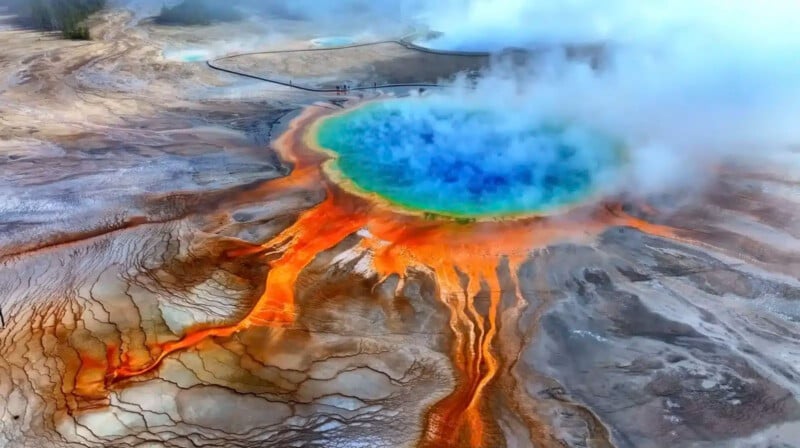
The video, which was titled “The West Awaits — Epic Road-Trip Journey Captured With 100MP Mavic 4 Pro,” was removed days after DroneXL‘s article, per National Parks Traveler.
PetaPixel contacted DJI for comment on the video and its removal, and the company promptly responded. The comment below comes from a DJI spokesperson:
We thank the drone community for bringing this to our attention. DJI places the highest priority on compliance to local rules and regulations, and are currently investigating the situation internally. The video — which was produced by an independent creator and not commissioned by DJI — has been removed for now.
Ultimately, DJI is responsible for the content it posts online, even if an independent creator created the video. Admittedly, drone pilots, from amateurs to pros, must constantly navigate an often complicated regulatory and legal landscape when flying their drones. There are many locations where drones are not allowed, period, and many more that require specific permits and permissions.
DroneXL captured numerous screenshots from the video before it was taken offline, showing scenes from Monument Valley Navajo Tribal Park, Yellowstone National Park, Yosemite National Park, Grand Canyon National Park, Death Valley National Park, the Golden Gate Bridge, and more.
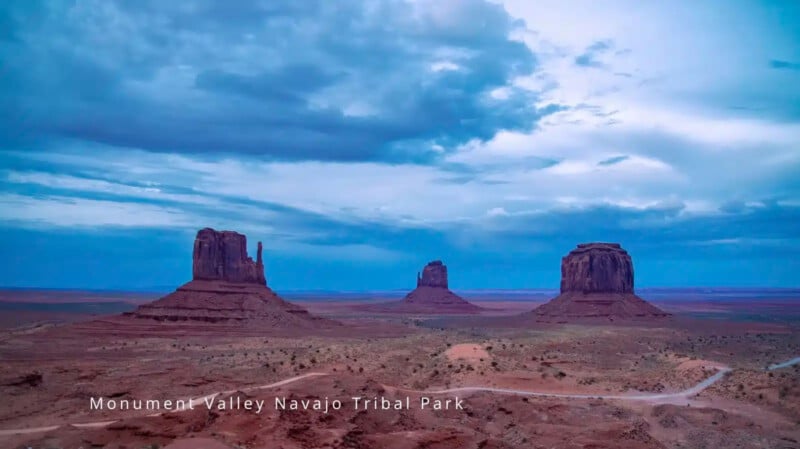
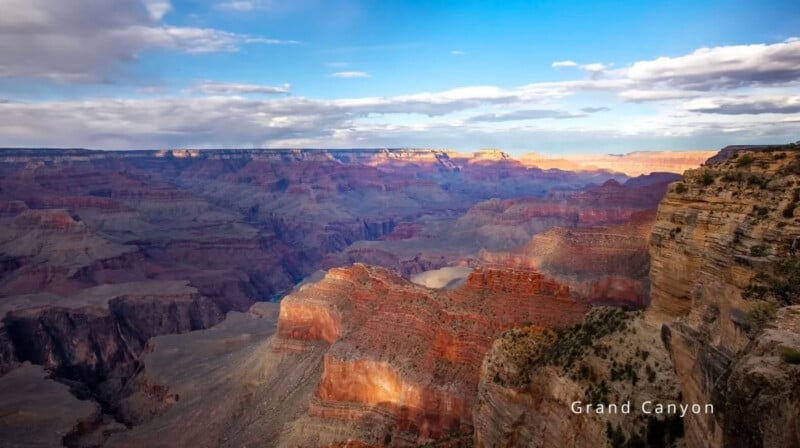
At the time of initial reporting, it was speculated that DJI might have secured the necessary permits. However, since the video was removed, it’s a safe bet that this isn’t true, or at least DJI itself is uncertain if it’s true.
A much more likely explanation for how the footage was captured was that it was done without the required permits, which is illegal. Flying a drone in a National Park has been against the law for over a decade, with few exceptions, and is punishable by a significant fine and potentially even jail time. Repeat offenses would naturally incur additional penalties. No experienced drone pilot would be able to reasonably claim they did not know it was illegal to fly drones in National Parks without special permits.
As expected, comments on the video before it was removed included numerous questions about how the footage was filmed, given the well-known restrictions surrounding filming in National Parks and on tribal land.

Although former President Biden signed a law before his term ended that made filming and photographing in National Parks easier, it did little to make it easier for people to use drones in parks. As DroneXL notes, there are good reasons for these restrictions, including protecting people’s peace when enjoying nature and protecting wildlife. Drones aren’t exactly quiet. Some pilots fly irresponsibly, which unfortunately leads to greater restrictions for everyone else.

When a company like DJI, undoubtedly the biggest name in the drone space, publishes a video with footage potentially filmed illegally and without any mention of permits, it can make matters harder for law-abiding drone pilots and may encourage others to flout regulations.
That said, maybe DJI’s investigation will find that some of the included footage was captured after its creators secured the proper permits, and it can come back online in a revised form. That would be great. However, if it was captured illegally, keeping it offline forever is the right move.