Authored by Charles Hugh Smith via OfTwoMinds blog,
This is not to suggest living/working overseas is a panacea or easy... it isn't.
There is an inescapable irony in The American Dream no longer being affordable in America for the majority of Americans. Definitions vary, of course, but The American Dream typically includes being able to obtain higher education, a home, a family, a family enterprise and some measure of ownership of assets that provide financial security, on wages / salaries that are within reach of the bottom 80% of workers.
Put another way: if The American Dream is only affordable to those earning $250,000 a year and up or those who inherit family wealth, it isn't The American Dream. The American Dream is defined as starting with nothing but ambition and a willingness to work hard and save money and acquire all of the good things listed above without borrowing a small fortune for each one.
It seems taboo to say this, but The American Dream implicitly includes a goal of no debt: no student loan debt, no home mortgage, no medical debt, no debt at all: assets are owned free and clear, and college is paid out of earnings or student loans are paid off in the first few years of full-time work.
Anything less isn't The American Dream, it's a debt-dependent facsimile, a travesty of a mockery of a sham of The American Dream.
The other irony is The American Dream is still affordable overseas in what is generally referred to as developing economies or the Global South, where as a general rule, dollars go a lot farther than they do in the U.S.
Richard Bonugli and I discuss the advantages and challenges of living and working overseas in our podcast the Opportunities in Living Overseas (31:26 min).
This isn't necessarily an all-or-nothing option; many people maintain a place in the U.S. and work/live overseas for periods of time and then return home. Others are digital nomads who move from nation to nation, continuing to work remotely.
Let's start with the barriers and challenges. While the vast expansion of global travel has fostered cosmopolitan zones in most large cities where English is in common use, smaller cities and rural areas are not so easy to navigate without some local language. Yes, digital smartphone tools offer instant translation, but this only goes so far in terms of learning different cultures, adapting to a new set of expectations, etc.
Moving overseas with children and elderly parents offer obvious additional challenges: finding schools, senior care, etc. It can strain relationships, as one partner may love it all and the other longs to return home.
As the global order changes, social and political instability is on the rise. Things can get dicey very quickly, and those without local family connections may find their exposure to all sorts of unexpected risks has increased geometrically.
Learning how a new culture works is not easy, especially for those who mistake the Americanized cosmopolitan zones as representative of the entire culture. Buying a house in rural Japan for the often-referenced low price ($100, etc.) entails far more than plopping down a Benjamin and moving your stuff in. The odds of the elderly locals speaking English is low, and there is more to restoring the house than newcomers might imagine.
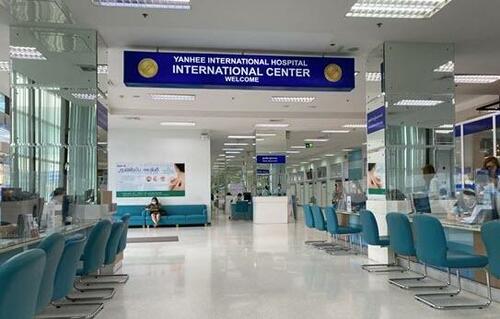
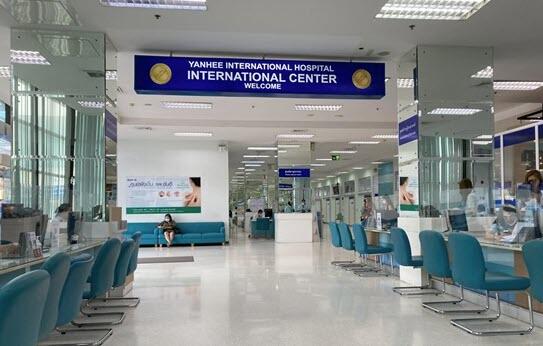
On the advantage side of the ledger, there are career opportunities, affordable rent and healthcare and adventure. We have 20-something friends who say they can't afford healthcare in the U.S. so they are forced to live somewhere where it is affordable, for example, Thailand.
For those with globally in-demand skills, the barriers to international work are lower now than they were in generations past. As correspondent Eric C. recently observed: "Nowadays is the greatest time in the history of the world for the high-earning, educated, individual person. If they have money or a valuable skill, they can go wherever they want and sexism, racism, nationalism, will not stop them. That is a triumph of the individual."
The developing world's hunger for infrastructure improvements offers opportunities, and there may also be an openness to new enterprises that has been worn thin in many of the developed economies.
This is not to suggest living/working overseas is a panacea or easy--it isn't. But with the cost of living so high in the developed economies, it's one option for those willing to invest in researching possibilities, accepting risks and exploring cultures quite different than that of the U.S.
* * *
My new book is now available at a 10% discount ($8.95 ebook, $18 print): Self-Reliance in the 21st Century. Read the first chapter for free (PDF)