Authored by Evgenia Filimianova via The Epoch Times,
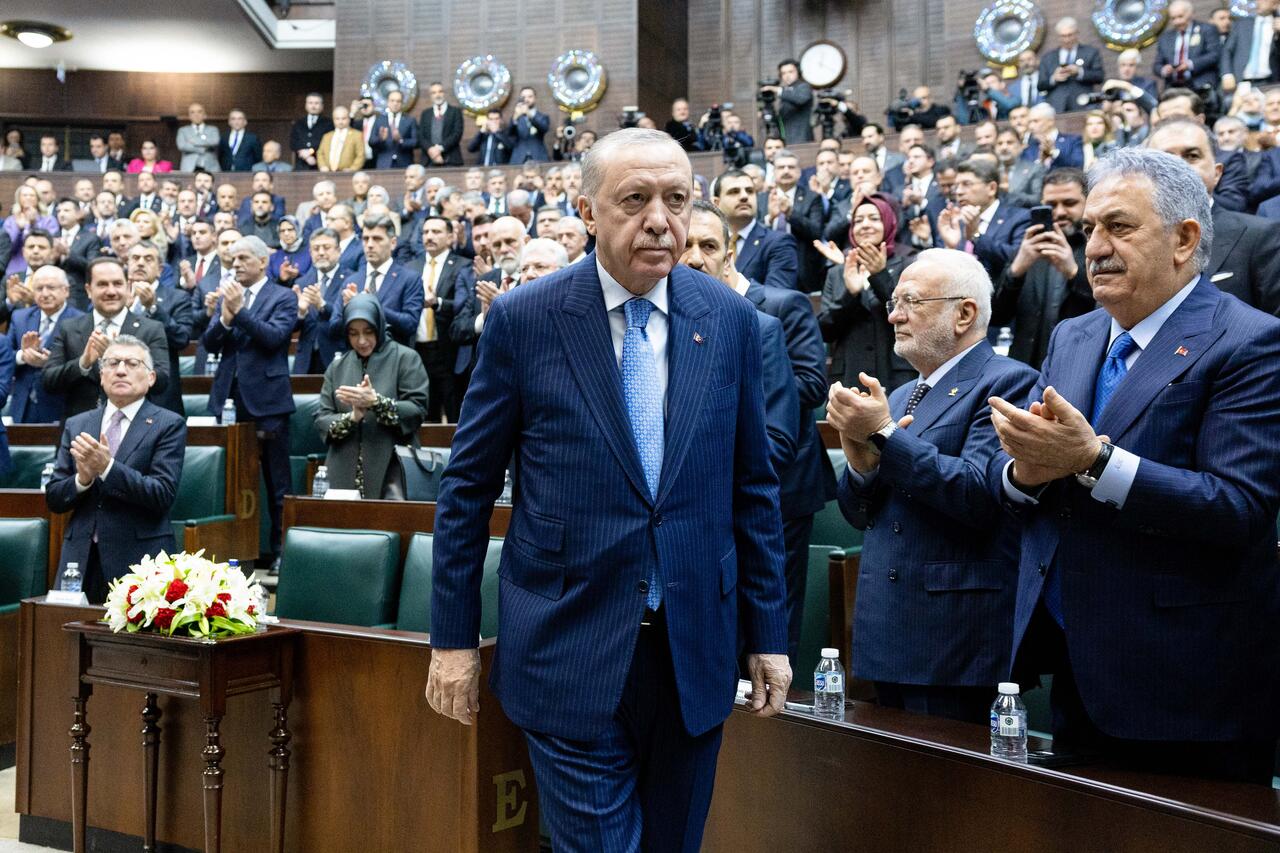
Turkey has begun ratifying the Mecca Joint Defense Agreement, a new pact signed with Saudi Arabia and Pakistan. The agreement has drawn increased attention since it was signed in August.
President Donald Trump welcomed the pact as a step toward greater regional security, while recent Houthi attacks on Saudi Arabia have put renewed focus on how the alliance could operate in practice.
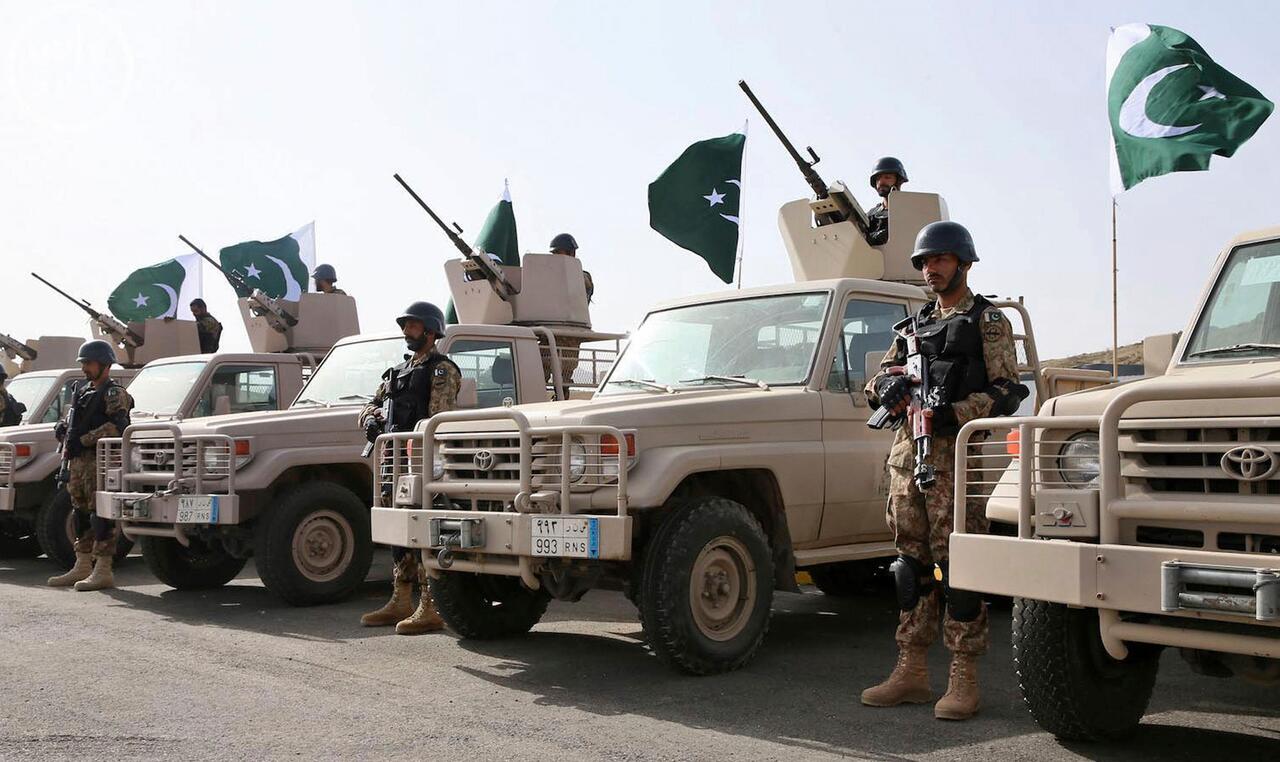
Saudi Arabia is the Gulf's largest military spender, Turkey has NATO's second-largest army after the United States, and Pakistan is the world's only nuclear-armed Muslim-majority nation.
The agreement commits the three countries to closer military cooperation and includes a collective defense clause under which an armed attack on one member would be treated as an attack on all.
Here's what the agreement says, how it would work, and what could happen next.
Where the Agreement Stands
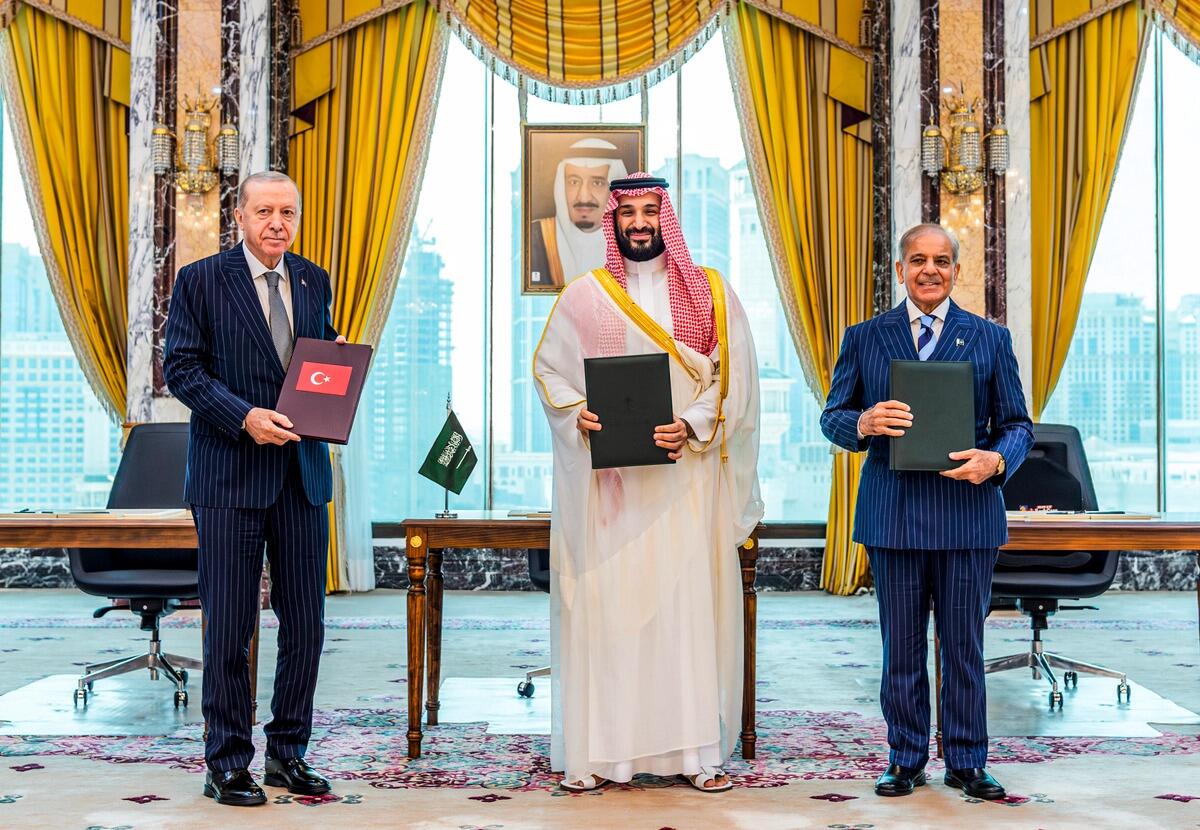
Turkish President Recep Tayyip Erdogan, Saudi Crown Prince Mohammed bin Salman, and Pakistani Prime Minister Shehbaz Sharif signed the agreement in the Saudi holy city of Mecca.
It aims to strengthen military and security cooperation among the three countries and is based on the principles of the U.N. Charter, respect for sovereignty, territorial integrity, and non-interference in each other's domestic affairs.
Turkey is the first of the three countries to publicly begin ratifying the agreement. Parliamentary records show the treaty was formally submitted to Turkish lawmakers on Oct. 21.
Turkish Parliament Speaker Numan Kurtulmus said on Oct. 22 that the relevant parliamentary committee will consider the treaty first, then submit it to the General Assembly for debate and a vote. If approved, it will become law.
Pakistan has not sought parliamentary approval, and Saudi Arabia has not announced a separate ratification process. Despite this, officials from both countries have already participated in meetings held under the new defense pact.
What's in the Agreement?
The treaty contains 16 articles covering defense, security, intelligence sharing, military cooperation, and defense industry collaboration.
The agreement's main provision is its collective defense clause.
It says that if one of the three countries comes under an external armed attack, the others will treat it as an attack on all of them and provide assistance.
However, the treaty does not require the same response every time. Instead, the three governments would decide together what kind of support is needed based on the situation.
That support could include military assistance, intelligence, logistics, or other resources.
The three countries also agree to work together on defense technology, research, innovation, and joint production of military equipment. They also commit to sharing intelligence through secure channels and providing logistical support, such as ammunition, fuel, spare parts, and other military supplies, when needed.
Why Does It Matter?
The pact comes during a period of heightened tensions in the Middle East following the Iran conflict and amid Iran-backed Houthi attacks on Saudi Arabia.
Pakistani and Turkish officials have condemned the Houthi attacks on Saudi Arabia.
Last month, Turkish Foreign Minister Hakan Fidan told Turkish broadcaster NTV that Ankara was ready to provide Saudi Arabia with technical military assistance under the Mecca agreement if the kingdom requests it.
At the same time, Ankara maintains that the Mecca agreement is not directed against Iran, Israel, or any other country.
For Pakistan, the Mecca Agreement builds on existing military ties with Riyadh.
Earlier this year, Saudi Arabia rolled over more than $1.2 billion in oil import payments for Pakistan, part of a series of bailouts and deferred payment facilities that have propped up Pakistan's economy.
The two countries also signed a separate mutual defense agreement in 2025, pledging to come to each other's aid if either is attacked.
How Will It Work?
The agreement creates a Strategic Political and Defense Committee to oversee the alliance.
The committee will include the foreign ministers, defense ministers, and military chiefs of the three countries. It will meet twice a year, with meetings rotating between Turkey, Saudi Arabia, and Pakistan.
The three countries' leaders may also meet annually if needed, and a permanent secretariat will be based in Saudi Arabia.
On Oct. 5, officials from Turkey, Saudi Arabia, and Pakistan met in Riyadh to discuss security threats facing Saudi Arabia. They appointed retired Pakistani Lieutenant General Nauman Mahmood as the alliance's first secretary-general for a three-year term.
The agreement also allows the alliance to expand. Last month, Kurtulmus said it could eventually include other Muslim countries, including Iran. The three founding countries must unanimously approve any new member.
Under the treaty, it will remain in force indefinitely, but any member may withdraw after 10 years with three months' written notice.