
Moody's Analytics chief economist Mark Zandi estimated Oct. 12 that the Iran war has cost the average U.S. household nearly $2,000 since it began, or about $265 billion nationwide. He put roughly $1,100 per household on higher energy and transportation costs, $540 on higher interest rates and $360 on military spending, and said the energy tab is still rising by about $50 per household each week at current fuel prices.
Zandi wrote on X: "Consider that the war's costs taken together have absorbed about half the average American household's income gain over the past eight months. No wonder the war is so unpopular."
White House Principal Deputy Press Secretary Anna Kelly answered in a statement: "Mark Zandi is a Democrat donor who is frequently wrong - including predicting multiple recessions that never happened." She added: "President Trump is rightfully ensuring that Iran, a country that for 47 years chanted 'Death to America,' can never have a nuclear weapon." U.S. and Israeli strikes on Iran began Feb. 28.
Zandi's number is a broad economic estimate, not a federal outlay. Brown University puts consumer costs at $133.3 billion, about $1,018 per household, and Defense Secretary Pete Hegseth has testified to about $37.5 billion in direct military costs, Newsweek reported. ZH has tracked estimates running well above the White House's.
As the Epoch Times notes further, "Higher energy prices are contributing most to the costs," Zandi said. "A gallon of regular goes for $4.37, up from just under $3 before the war. Diesel is above $6, and jet fuel has nearly doubled. As winter approaches, the much higher price of home heating fuel is also adding to the costs."
Zandi said the war's inflation contributed to the Fed's decision last month to raise rates and signal that more rate increases are coming.
"Long-term rates are also up a lot - fixed mortgage rates have climbed from below 6 percent before the war to 7.5 percent. By our reckoning, the higher rates have cost the economy about $540 per household," he said.
In September, the Congressional Budget Office estimated the war cost the U.S. military $38.1 billion through Aug. 1. With fighting expected to continue, the war was estimated to cost between $2 billion and $3 billion each month, depending on its intensity.
On Oct. 5, the Congressional Research Service published a report listing some of the major equipment losses during the war.
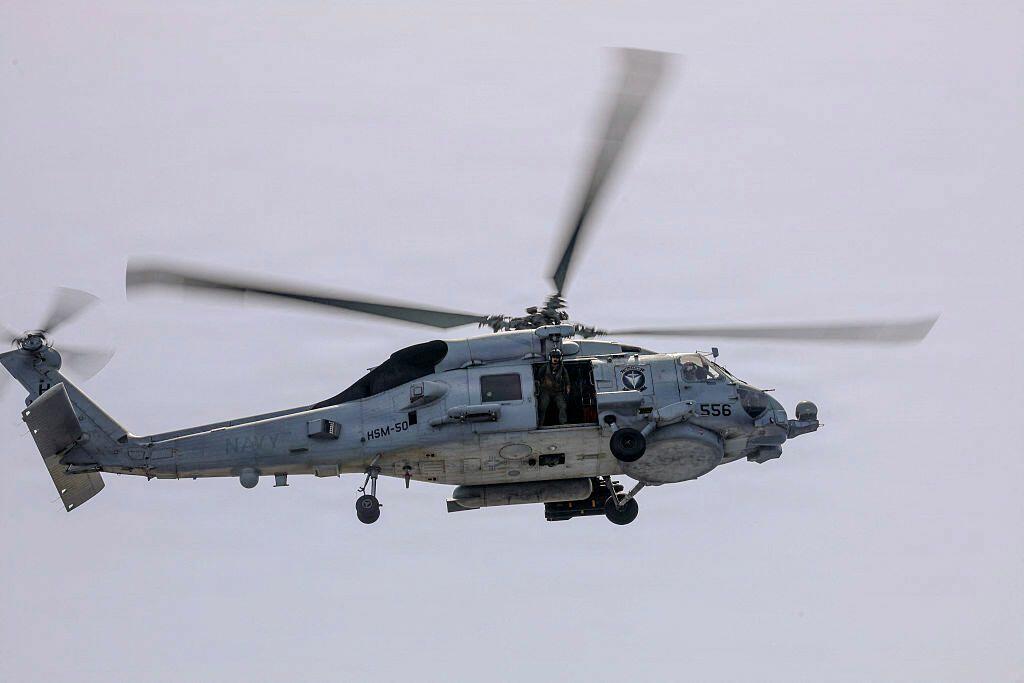
The report listed 81 fixed-wing or rotary-wing aircraft, including drones that were lost or damaged during the conflict.
The Congressional Budget Office estimated the cost of equipment losses as of Aug. 1 to be between $1.9 billion and $3.3 billion, depending on the Department of War's plans for replacement.
Democrats have continually pointed to the cost of the war in their criticism of Trump.
In September, 46 Democratic or left-leaning Independent Senators sent a letter to Department of War Secretary Pete Hegseth demanding more information on the costs of the war.