The clitoris is one of the most mysterious parts of the human body.
Not because it’s some strange, unknowable organ that can never be understood. But because historically medical research hasn’t really tried to.
In fact, for every one piece of published research on the clitoral gland (the ‘head’, or sensitive external part) there are 20 studies on its male counterpart, the penile gland, according to analysis by researcher Prof Blair Peters.
The clitoris’s neglect is, partly, because it doesn’t fall neatly into any medical discipline. Urology tends to focus on the urinary tract and penis, while gynaecology has looked more towards the reproductive organs including the uterus and ovaries. The clitoris is left out in the cold.
But, realistically, it’s people who decide whether a certain scientific topic gets studied or ignored. For much of the 20th century, it was the mostly male medical population that determined what parts of anatomy were worthy of research.
Those men, adhering to social and cultural norms of the time, just weren’t interested in finding out about a female (predominantly) sexual organ. So much so that the clitoris was actually removed from the 1947 edition of Gray’s Anatomy – a key medical textbook.
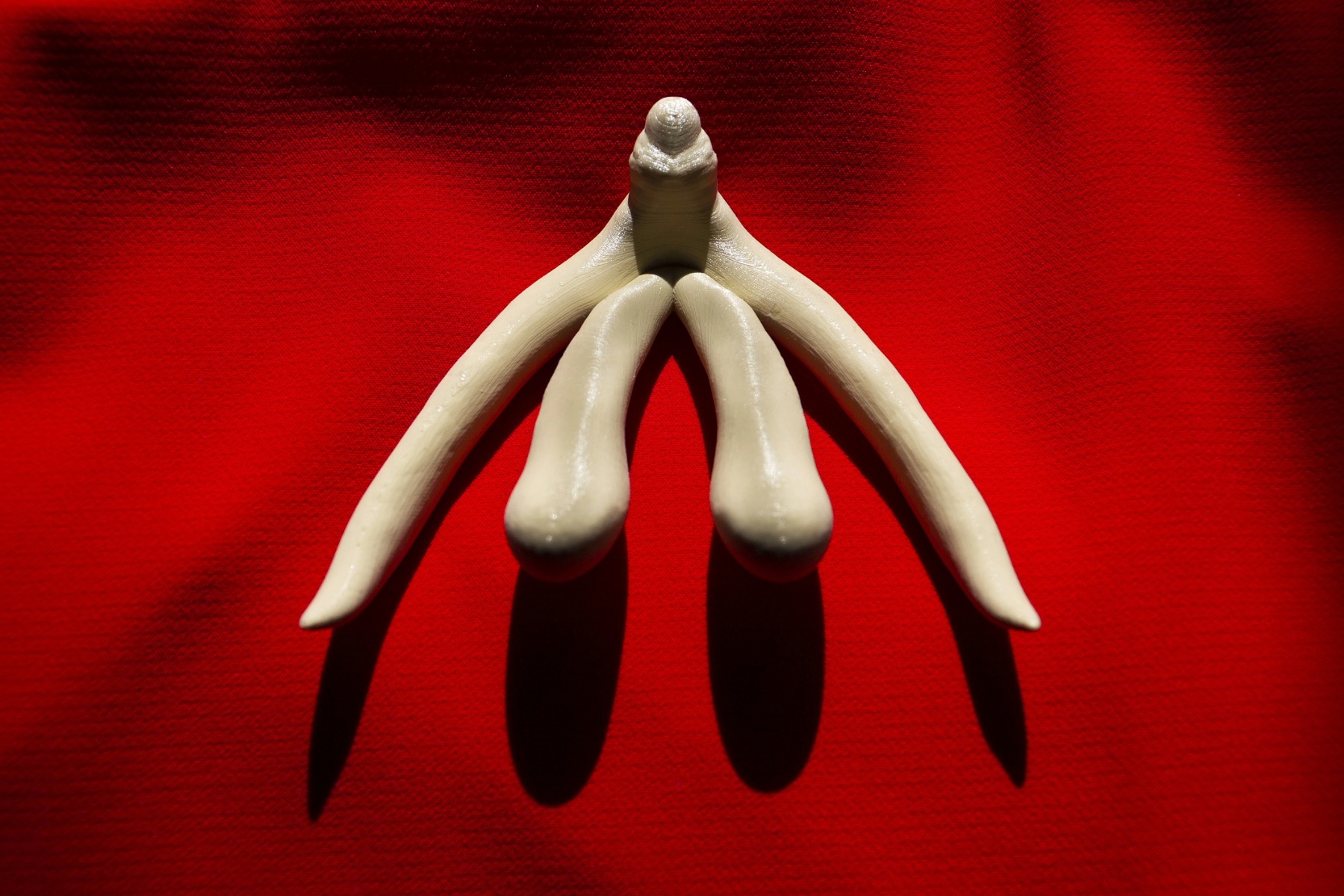
But thankfully times are changing. In 1998, Australian urologist Helen O’Connell’s published research that accurately depicted the entire organ for the first time, including the internal network which sits beneath the pubic bone.
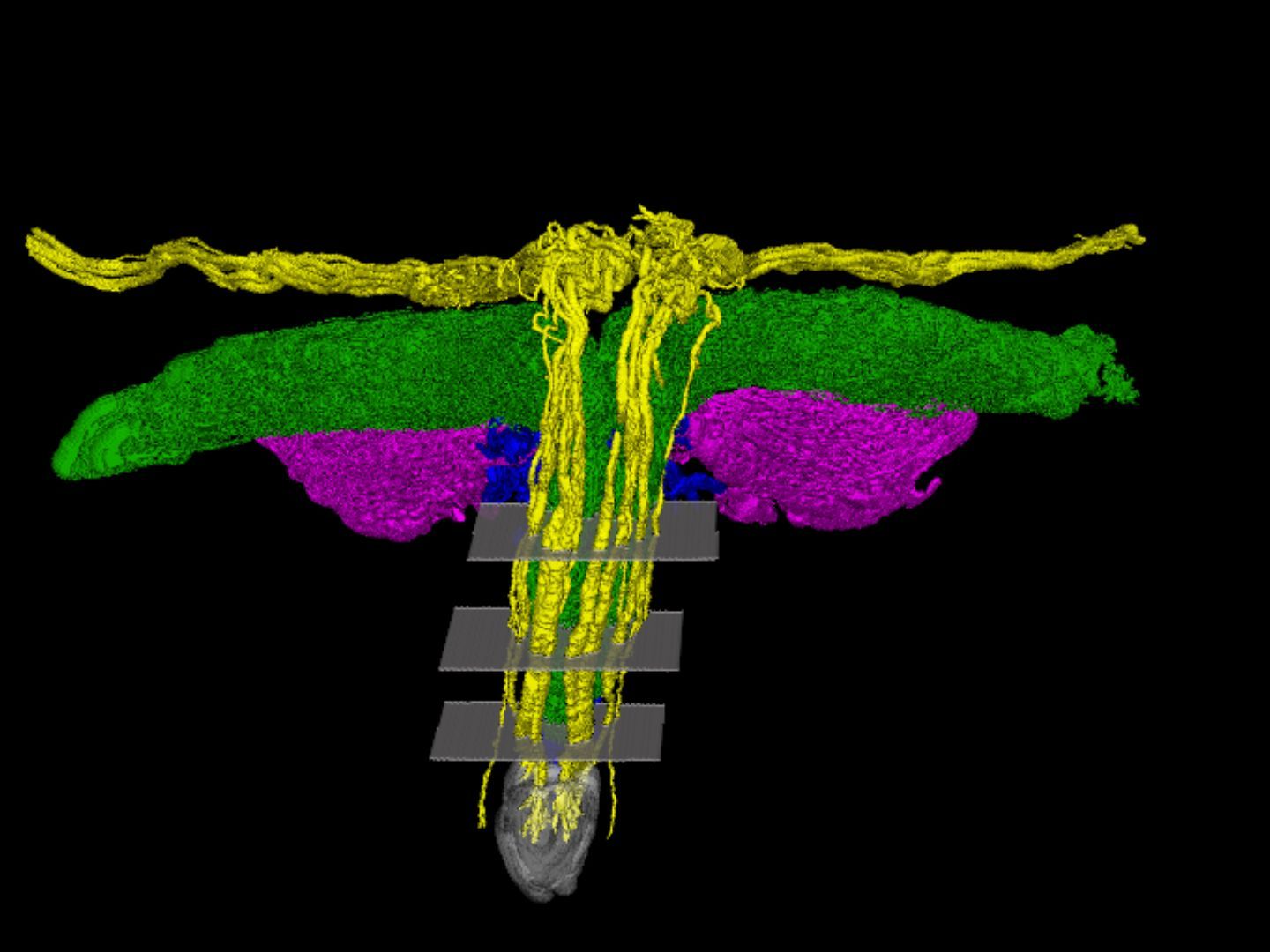
Today things have come even further, and earlier this year Dr Ju Young Lee from Amsterdam UMC’s department of obstetrics and gynaecology created the first digital map of the clitoris’s nerves.
It seems the clitoris is finally beginning to reveal its secrets.
Hidden anatomy
“The clitoris is not just the pea-shaped gland you see on the surface [of the vulva],” says Peters who is a plastic surgeon who specialises in gender-affirming care from the OHSU School of Medicine. You can picture it as like a half-closed flower bud – the head sits on the outside of the body, while its petals flourish inside.
Of course, this description is a little reductive. In Lee’s study, which is yet to be peer-reviewed, the researchers used specialised X-ray imaging techniques to create comprehensive three-dimensional maps of the clitoral nerves. The research team traced the pathways of the clitoral nerves down to a thousandth of a millimetre using a CT scanner to create an intricate map.
They discovered that the main sensory nerve, the dorsal nerve, branches out like a tree as it reaches towards the external part of the clitoris, rather than tapering off as they expected. The scientists also found nerves extending towards the clitoral hood and the skin above it too, showing the neural network is far more extensive than previously recorded.
Lee says that her research is an exciting glimpse into the future of care, particularly when it comes to women’s health. The “clitoris, urethra and vagina are all closely located,” she says. “Better understanding of the clitoris may help care for the urethra and vagina.”
Her research follows on from Peters’ 2022 work into the clitoral nerve tissue. This work came about as he obtained clitoral nerve tissue which was donated by seven trans men undergoing gender-affirming genital surgery. These tissues were dyed and magnified so individual nerve fibres could be counted. And for the first time, Peters found that the clitoral dorsal nerve contains over 10,000 nerve endings with even more fibres from the other, smaller nerves beyond the dorsal nerve (which weren’t counted).
The previous estimation of clitoral nerve endings was 8,000 – but this was, in essence, a guesstimate based on animal subjects and “slapped onto humans”.
This is a vast number of nerves for such a tiny organ. In comparison, the median nerve, which runs through the wrist and hand is known for having high nerve fibre density, yet only contains around 17,000 nerve fibres despite being much bigger than the clitoris.
The purpose is pleasure
We know that the clitoris has a role in sexual wellbeing, as it’s linked to driving orgasm. But there is no obvious evolutionary benefit, unlike the male orgasm – a clitoral orgasm needs no penetration after all, and often occurs outside of penetrative sex.
But there could be links to reproduction, researcher Dr Roy Levin from the University of Sheffield suggests. He says that clitoral stimulation kicks the brain into gear, readying the body for sex.
It enhances vaginal blood flow, which leads to lubrication in the vagina, as well as causing the passage to lengthen and expand. It also causes the vagina to become less acidic, helping sperm to survive better.

However, other researchers believe we need more evidence to confirm these theories.
“There’s a tendency, particularly in women’s health, to tie everything to reproductivity. But that’s not what [the clitoris’] primary purpose is,” Peters highlights – and actually, pleasure is the prime role.
That’s not to say there aren’t additional uses, however.
We know that orgasm releases endorphins, oxytocin and dopamine hormones which can serve as a painkiller. But recent research suggests that clitoral stimulation outside of masturbation – and without attempting to reach orgasm – could bring about an analgesic (or pain relief) effect too.
This study looked at whether clitoral stimulation could support pain relief for women in labour. The study asked 26 women to use a vibrating tool, with 86 per cent of them reporting it improved their pain relief.
It isn’t clear what mechanisms are involved in pain relief here – it could be the stimulation is helping to relax the perineal area, counteracting labour pains. Alternatively, the clitoris could be linked to pain control mechanisms. Further studies could measure endorphin and neurotransmitter levels to clarify this point.

A long way to go
Of course, there are still aspects of the clitoris that are a mystery, and further work into understanding its anatomy could still be beneficial to female healthcare.
“We don’t have a good understanding of the autonomous nerves responsible for engorgement of the clitoris,” Lee explains. (The clitoris research community uses ‘engorgement’ instead of ‘erection’). “The physiology of clitoris engorgement is still a mystery.”
There are also further medical problems that can be related to the clitoris that need understanding. For example, when someone presents clinically with sexual dysfunction, orgasm problems or genital pain, the problem might not be entirely physical.
“Although we need to rule out and treat things like nerve injuries or neuromas, very rarely is that the only contributing factor,” says Peters.
Psychological and social factors, for instance, can often have a major impact. While understanding the physiology of female sex organs is often a key part of treating these problems, helping women understand their own bodies, reducing stigma and bridging the knowledge gap is another vital factor.
“Yes, we need to understand anatomy, prevent and support physical problems but we have to treat everything. I think we have a long way to go to really integrate these biopsychosocial approaches into medicine,” he says.
Read more: