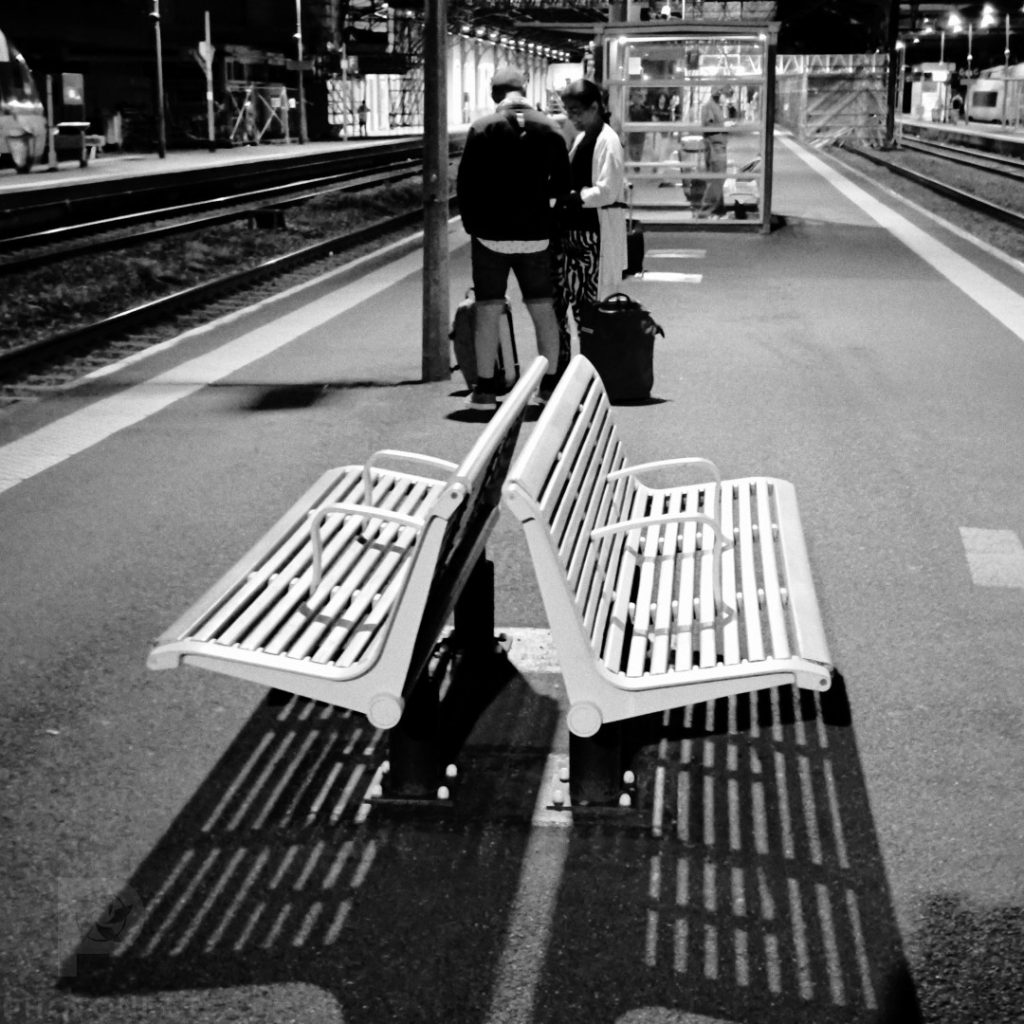
I’ve been taking photos of benches for years. Sometimes on purpose because I find them intriguing and I have an thing for objects designed for people but without anybody using them, sometimes just because they were there next to my subject. Last year, looking at these photographs, I noticed something I didn’t know existed in my archive.
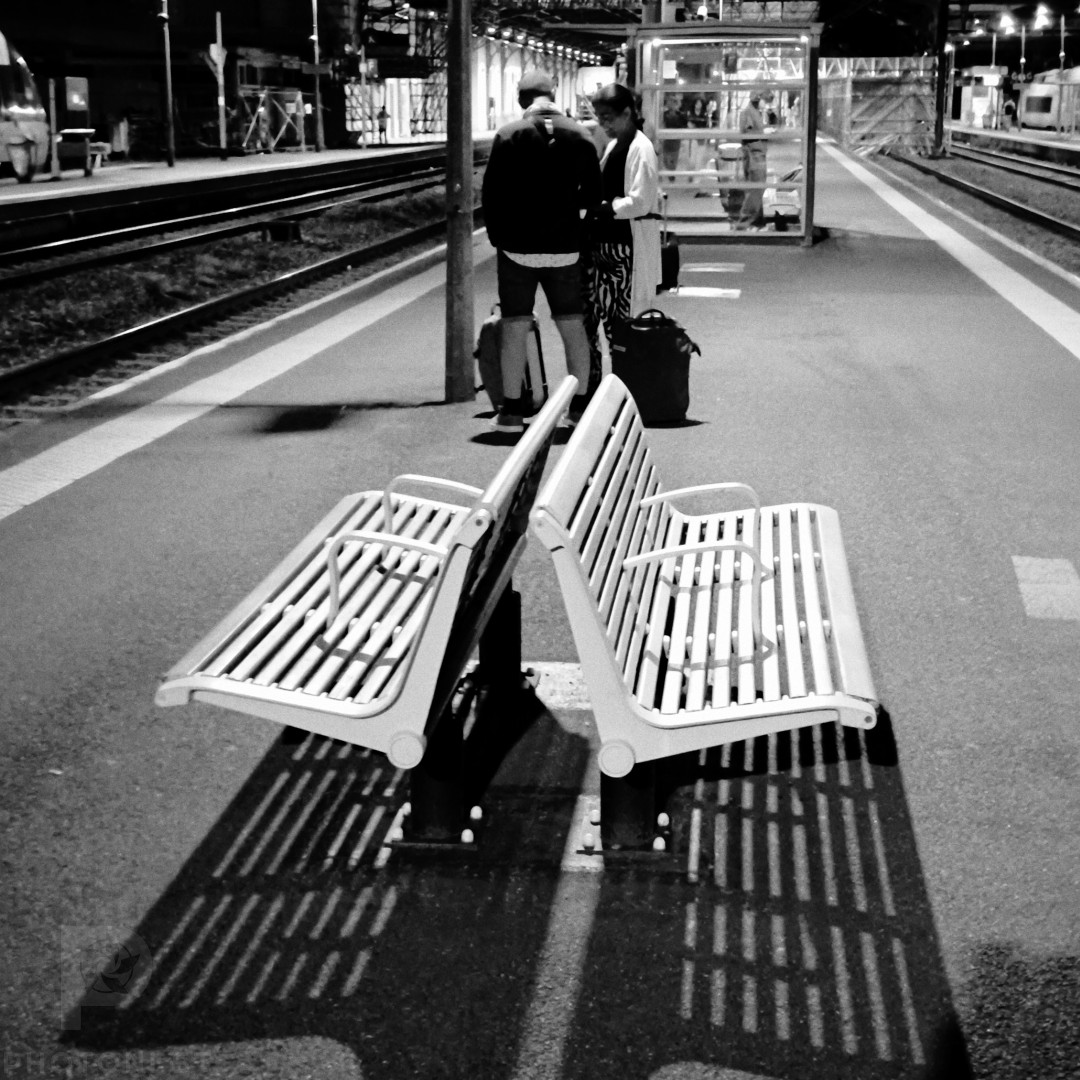
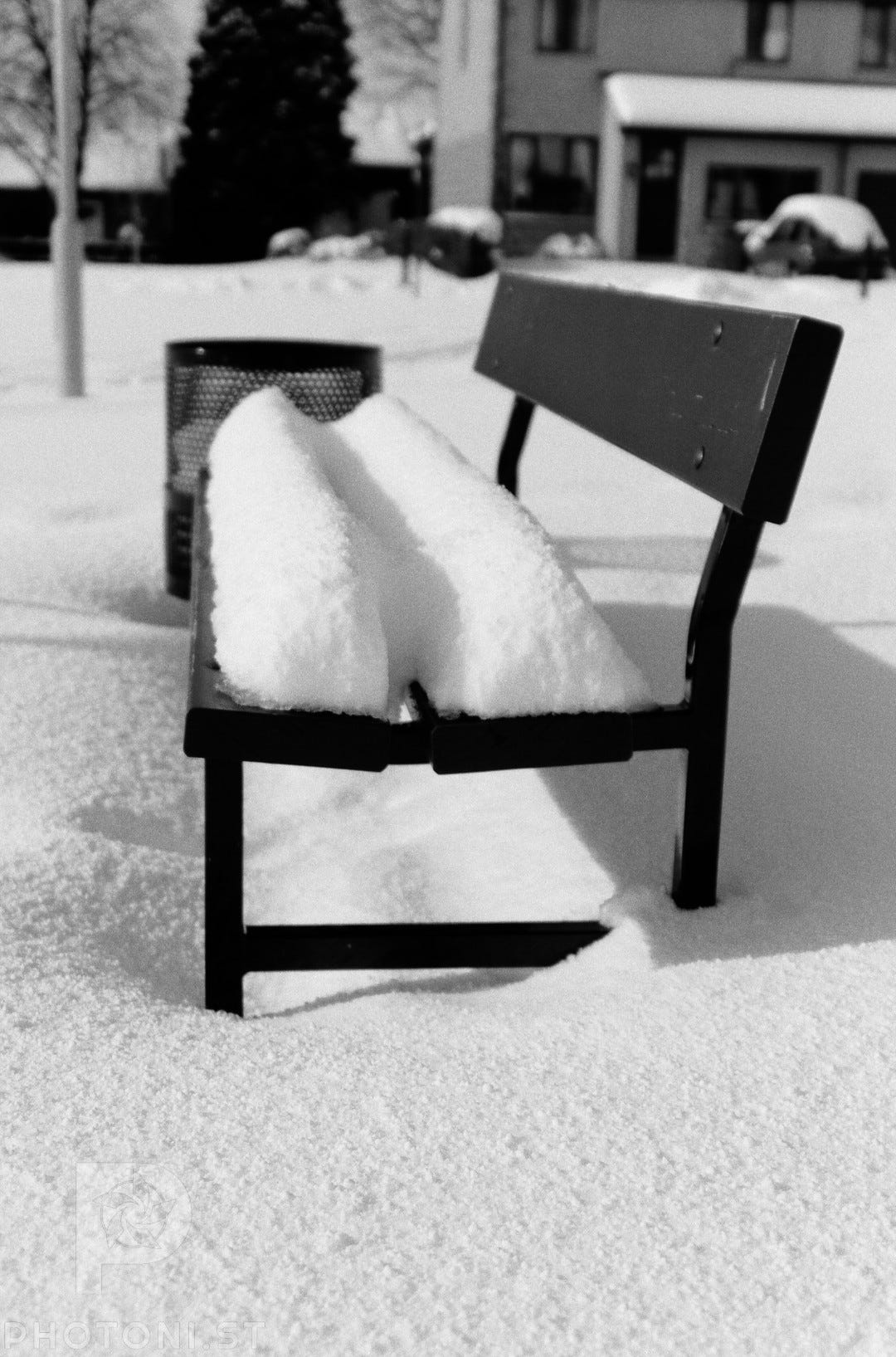
I went back in time through my archive and checked more of my photos. I found that not only I had been fascinated by benches, which I knew, but what specifically hit me was how the benches were changing: armrests appearing mid-seat instead of at the ends; continuous long benches replaced by individual seat units separated by awkward gaps; subtle curves that made lying down uncomfortable without being obviously punitive; weird shapes that made them impractical to lay on.
Hostile architecture, or anti-social street furniture, isn’t a new thing. It’s probably been around since the 70s. But it has become more and more common over the last 20 years or so, with some high-profile cases (e.g. the Camden bench).
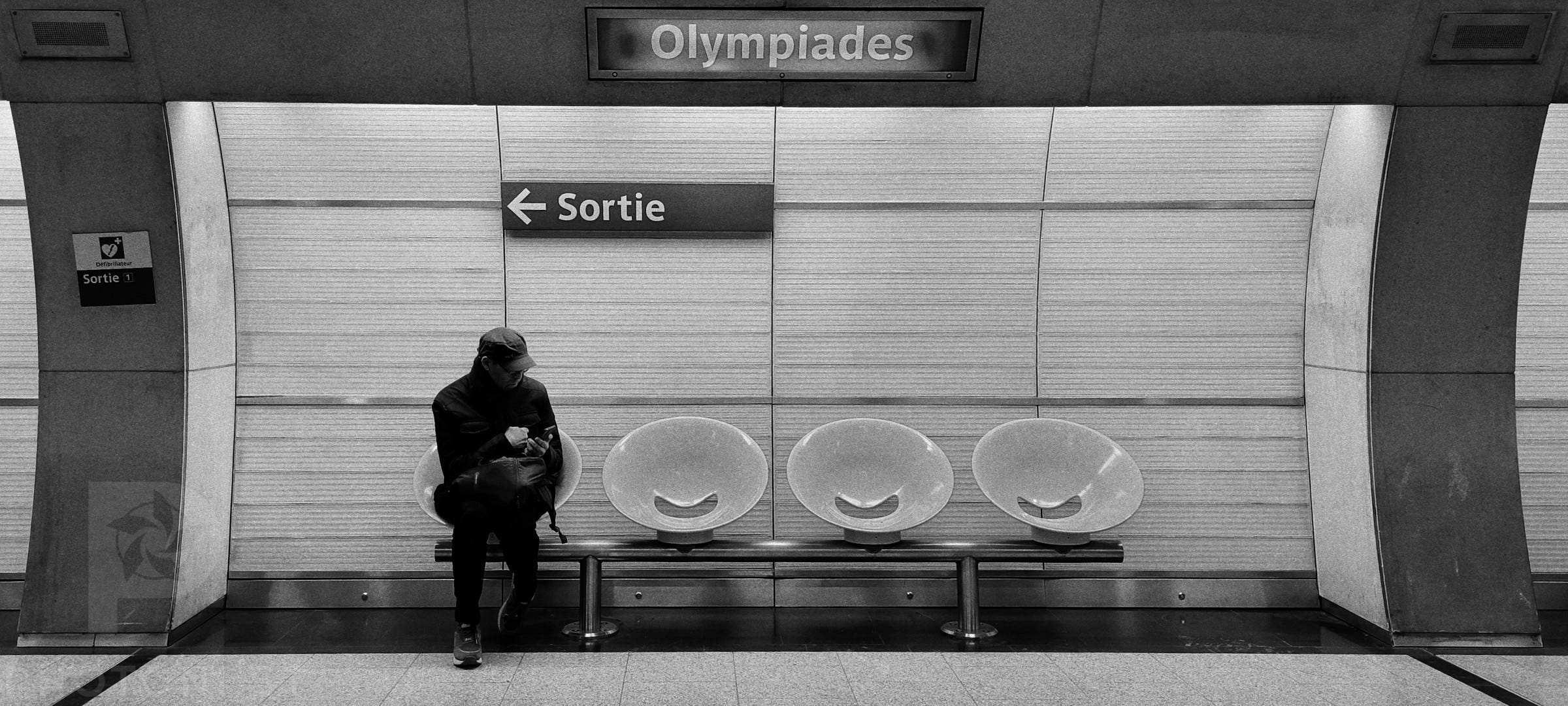
I had been recording the discreet redesign of public seating to exclude people with nowhere else to go, one photo at a time, without really noticing what I was doing.
I’m not claiming some unconscious genius or some innate sense of history. What I realised was that practised consistently over time, photography builds an archive that eventually thinks back at you.
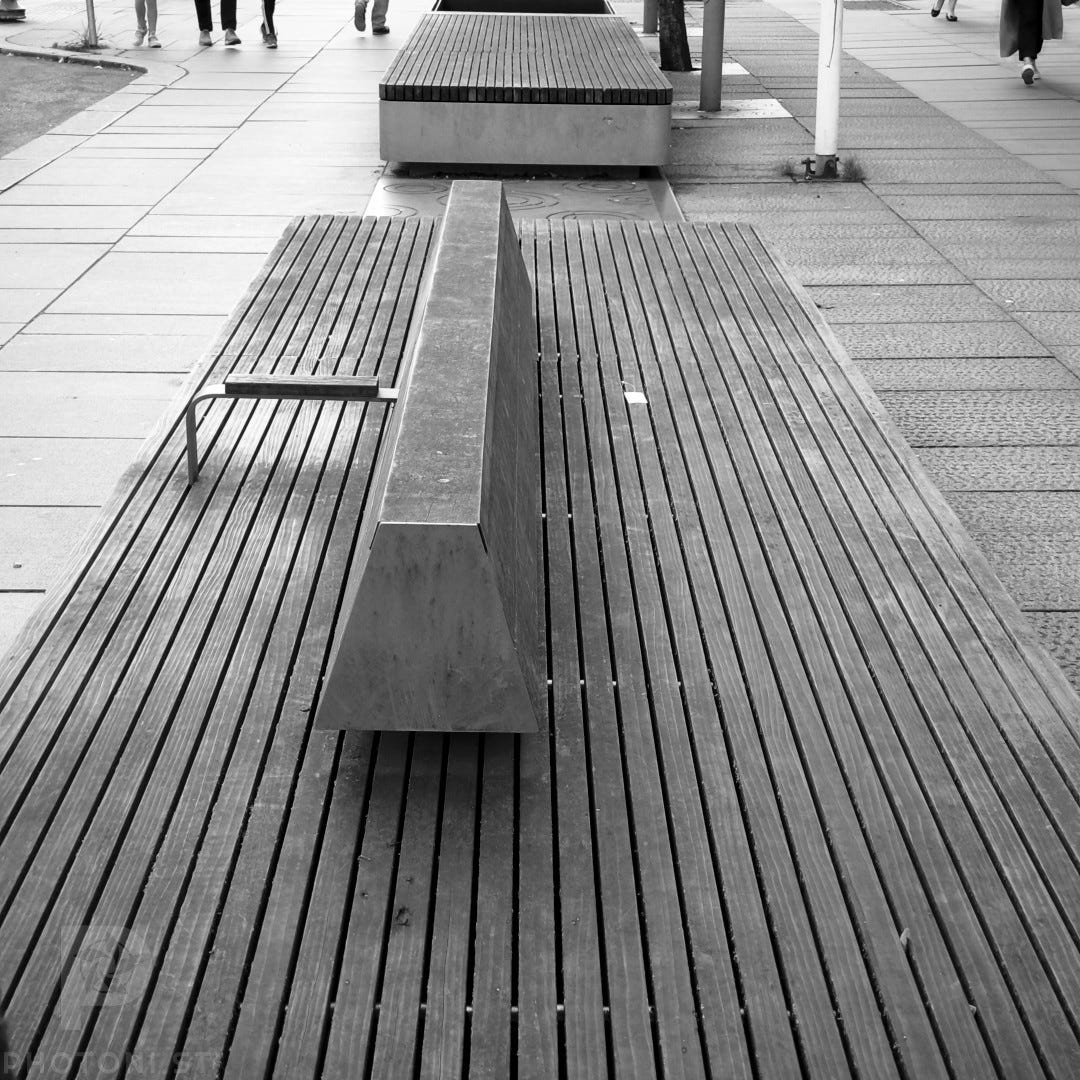
Attention in photography is rarely as deliberate as we’d like to believe. We like to think that photographers see everything, plan everything, make the perfect decision at the right time and nothing comes down to chance. And we like to think that we’re purposeful and work with intent. People such as Cartier-Bresson have a part of responsibility for propagating that idea.
But the reality is that you point the camera somewhere because something drew your eye, and the reasoning arrives later once you look at the images again. Take photos over years and you accumulate evidence that no part of your brain has been anywhere near. Review that body of work with some distance and patterns emerge that you never consciously decided to include because usually you see your photos one at a time.
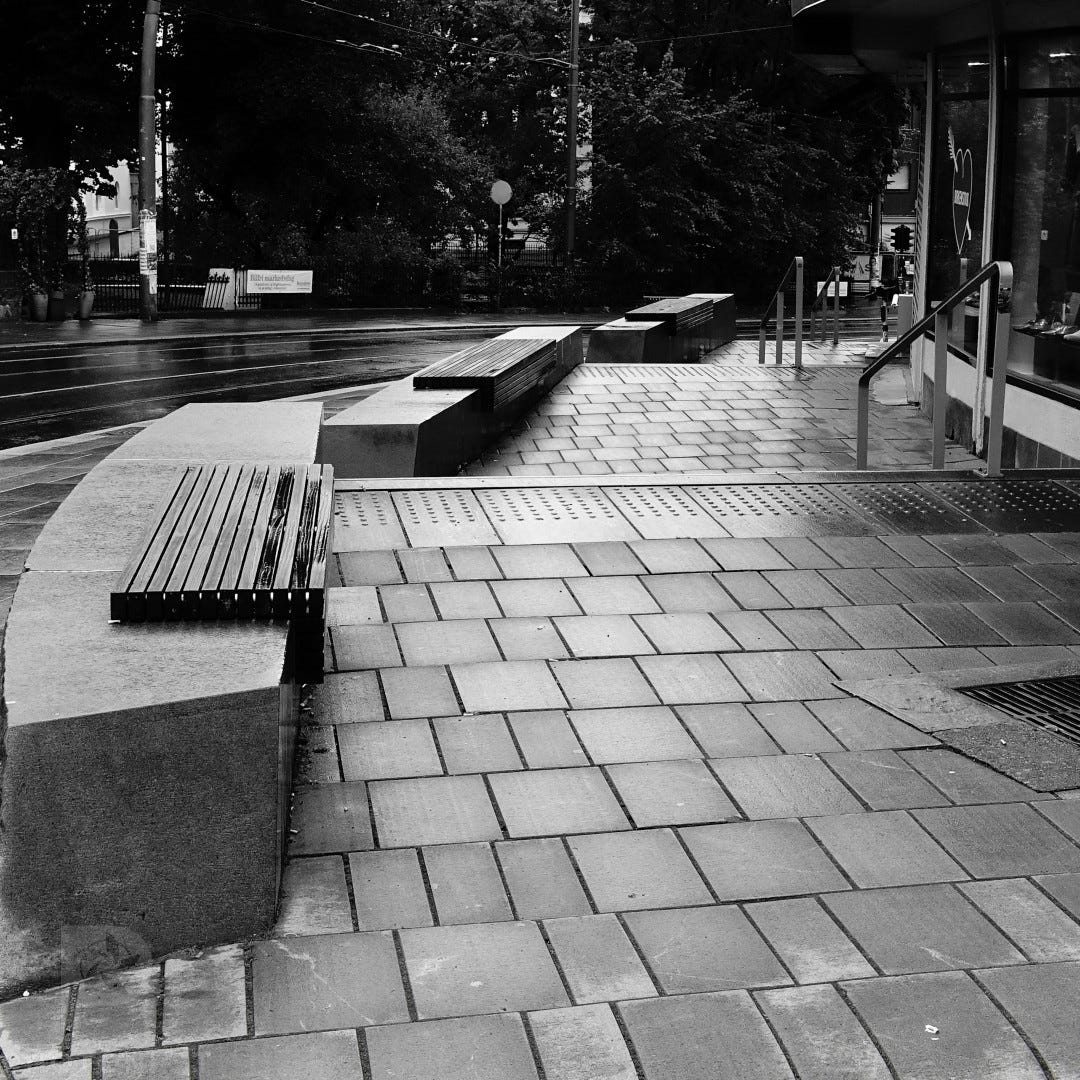
This is different from photographing what you already think. That would be illustration, not discovery. What makes the pattern interesting is that there was no intent when the pictures were taken. I wasn’t documenting hostile architecture on purpose; the pictures were simply of places where people sit. The social critique arrived once I started looking at a lot of photos, totally unplanned and uninvited. That’s what makes it fascinating.
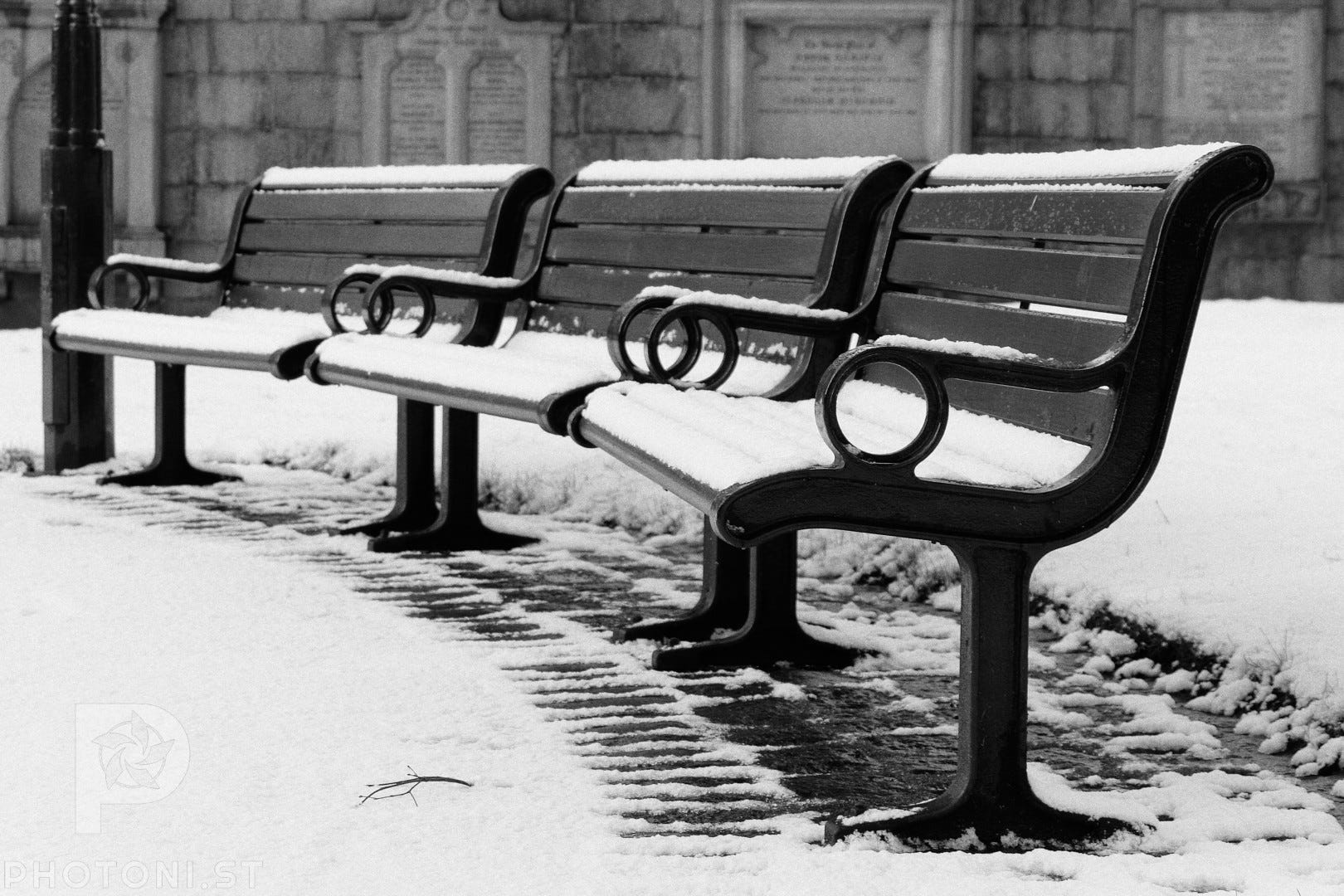
The camera doesn’t create the consistent thread. It doesn’t decide to take an interest in hostile architecture, for example. It is your curiosity that does and that lets in details into your archived where they live unnoticed until one day you get struck by a realisation.
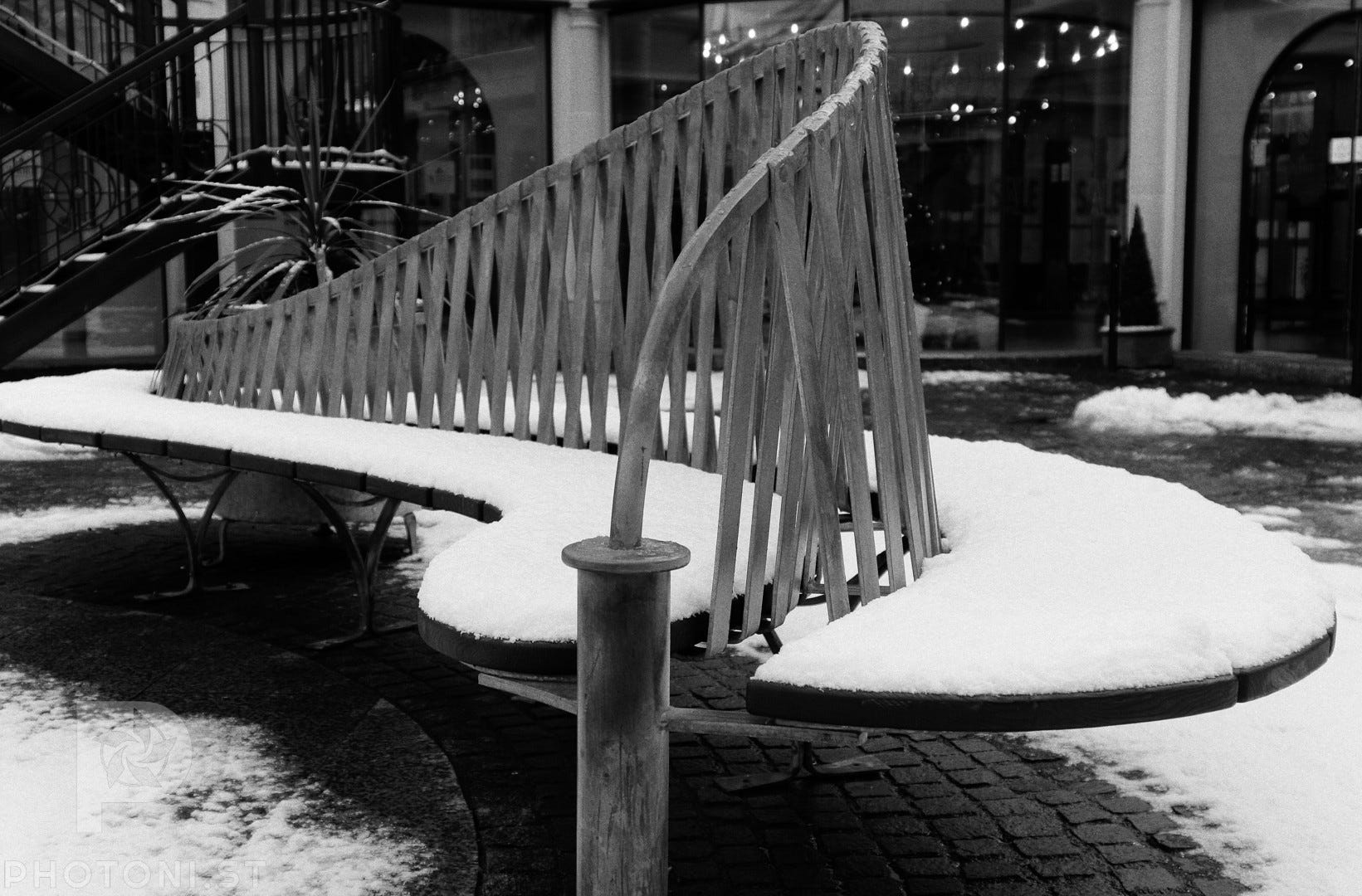
Looking back at those bench photographs, I understood that I had been an involuntary witness. Someone, in some municipal office, had decided that making public space less habitable was a reasonable response to the people who needed it most. The benches were always there, the evidence living in my files for years. It took the act of reviewing a body of work to understand what I’d been witnessing all that time.
#Photography #IMayBeWrong #Opinion #HostileArchitecture