
The two big weekend Iran war developments are 1) President Trump has rejected Tehran's seven day ceasefire roadmap proposal, and reportedly plans to resume bombing Iran - likely after the November midterm elections; 2) the Iranian government announced Sunday its forces have struck 19 ships in the Strait of Hormuz over the past two nights, per Fars News Agency.
The Fars report indicated the Iranians hit 12 vessels Friday night and 7 more Saturday - though Western sources have been slow to report or confirm this, and the Pentagon has not initially commented.
Iranian Foreign Minister Abbas Araghchi has meanwhile once again emphasized in the wake of Trump's rejection of the latest proposal that on the one hand Tehran stands 'ready' for renewed fighting and won't back down - and on the other has not yet abandoned diplomacy.
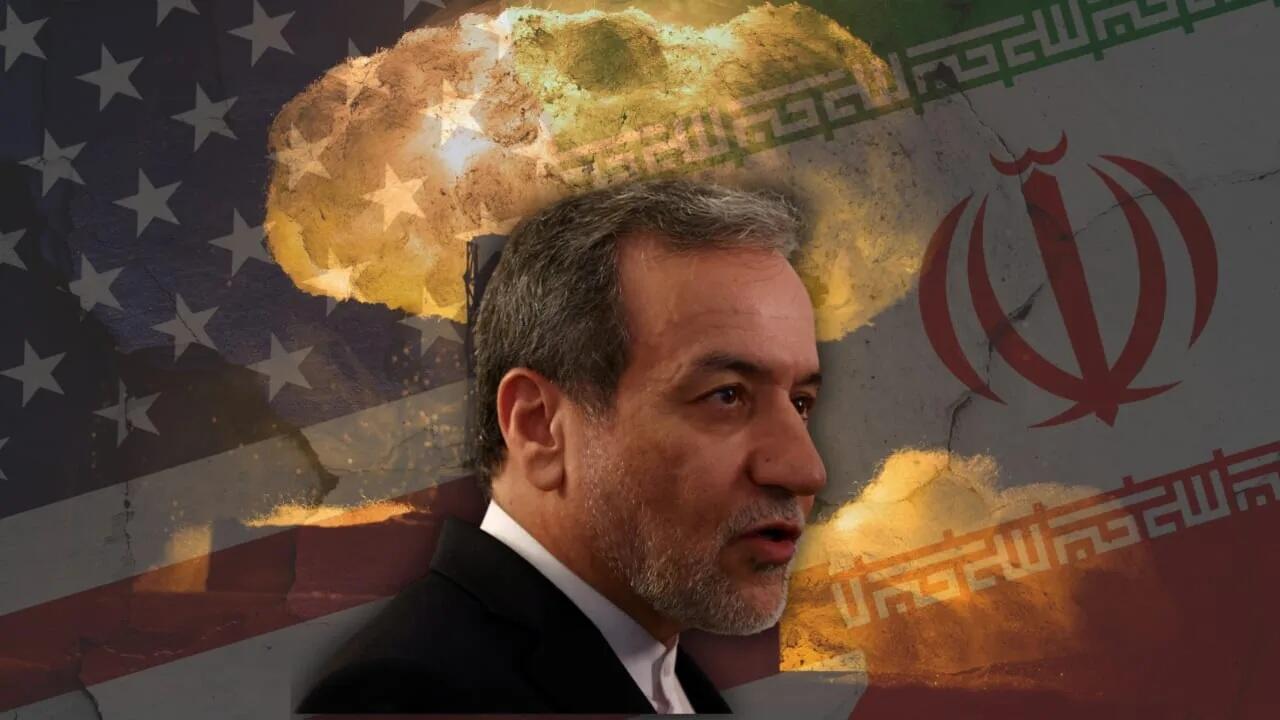
"We are fully prepared for the war to be resumed. We stand firm in the face of any new aggression, even if it comes to a doomsday war," Araghchi told NBC News Meet the Press on Sunday.
He was specifically asked about the Friday Wall Street Journal report which strongly suggested Trump is ready to resume bombing the Islamic Republic after the midterms.
But Araghchi offered the key caveat and opening: "At the same time, we stand ready for diplomacy. It is up to President Trump to choose," he said.
The top Iranian diplomat further make clear his country is not backing off its initial conditions to end the war and reopen the Strait of Hormuz:
Our proposal is very clear. We are ready to open the strait if certain things are done by the U.S. And these certain things are not new, have not come from the space. These are our rights, that we want to be respected. First of all, we want to end this war of aggression. They started this war eight months ago with the hope that in two, three days, you know, they can win the war. It's now eight months. And we want it to be ended. We want our money, our assets, which are illegally frozen, to be released. We want, you know, to be able to sell our oil. So we want certain things that the U.S. has already committed itself to in the previous, you know, deals.
The main conditions can be summarized as the end of the war on all fronts, the release of frozen assets and the end of the naval blockade.
The NBC show host tried to hold Araghchi down on Iran's insistence that its funds be unfrozen and returned - which is proving a tall ask from a White House which has unleashed its 'Economic D-Day' campaign seeking to totally isolate Iran.
The interview transcript is quite illustrative of the main impasse:
KRISTEN WELKER: But Mr. Foreign Minister, the ambassador's point was the United States is not going to unfreeze assets on the front end. It's not going to lift sanctions on the front end. Is it possible to negotiate a new peace plan at this juncture? Or has diplomacy failed?
FOREIGN MINISTER ABBAS ARAGHCHI: Well, why aren't they ready to release our money? It is our own money. It is not, you know, any other's money.
KRISTEN WELKER: Because they want to see some actionable items from Iran, like opening the Strait of Hormuz, before they do that. Has diplomacy failed, Mr. Foreign Minister?
FOREIGN MINISTER ABBAS ARAGHCHI: Well, there is always hope for diplomacy. But to be honest with you, we have no reason to come back to diplomacy and engage with this administration once again, because of how they've behaved in the past two years. You know, in 2025 they offered negotiations...
And so clearly the situation is back to square one in terms of the stalemate that's been on from the beginning, and has persisted for seven months, as Washington finds itself in yet another quagmire in the Middle East.
Regional analyst and editor of Amwaj.media, Mohammad Ali Shabani, concludes of weekend events: "The next phase of the war will likely revolve around destroying Iran's economic infrastructure. The method is collective immiseration until desperate Iranians with nothing to lose will do the regime change."
This of course sets the US on a trajectory of yet another 'forever war' in the region. Trump, it seems, may also opt for bombing in search of a 'better deal' - though this will simultaneously ensure a more hardline resistance will be entrenched in decision-making centers in Tehran.