
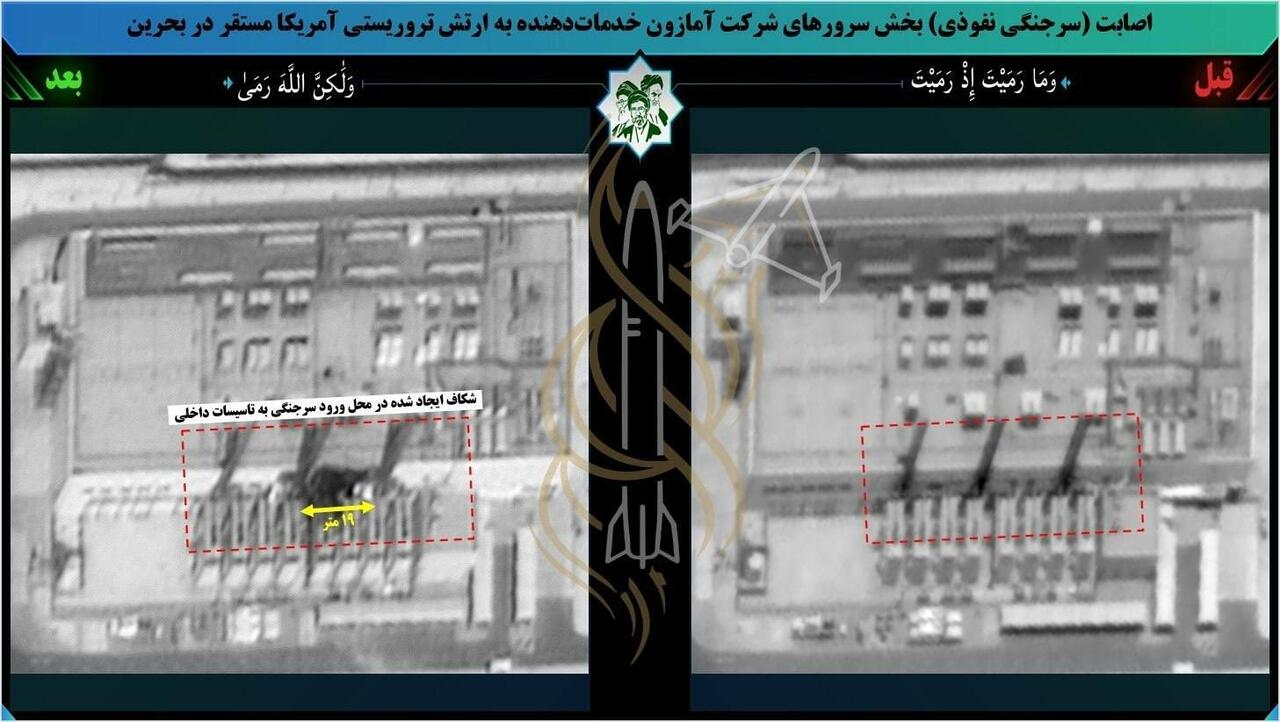
Amazon Web Services (AWS) says it cannot restore access to its cloud-computing facility in Bahrain or one of three data-hosting zones in the UAE due to the extensive damage caused by Iranian retaliatory strikes, Reuters reported on 15 September.
"The damage to our infrastructure spanned multiple Availability Zones and exceeded what our regional and multi-AZ services are designed to withstand," AWS reported in its status update seen by Reuters.
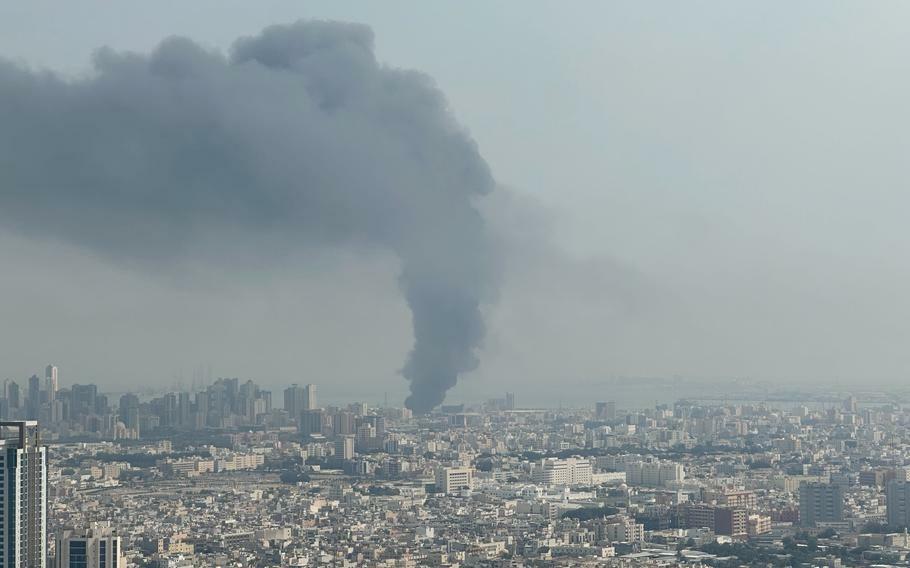
In the UAE, resources and data held exclusively within one zone, labeled mec1-az2, have been damaged beyond hope of recovery, the company said, as engineers are still salvaging what they can from the two other battered zones and across the wider Emirati region.
An availability zone refers to a cluster of one or more data centers sitting inside the same geographic region, the structure AWS relies on to keep services running when a single site goes down.
The outages trace back to March, when the US and Israel attacked Iran, and Tehran responded with missile and drone salvos against Israel and Gulf states hosting US military bases.
AWS confirmed at the time that two of its UAE facilities took direct hits, while a drone strike near one of its Bahraini sites left the infrastructure there destroyed.
Most Bahrain-based customers shifted their workloads elsewhere on AWS advice before the region went dark in April, but the company says it has now exhausted every option for recovering whatever was left behind.
The losses have called into question the resilience of the Gulf's fast-expanding cloud and AI infrastructure. The UAE is already redrawing plans to war-proof a major AI data center project, weighing decentralized site building alongside underground and blast-resistant construction, and even equipping the data center itself with anti-air defenses.
Israel and the US have long ago transformed AI infrastructure into a weapon of war deployed extensively across West Asian theaters.
Cloud platforms, data centers, and high-capacity computing systems now help store intelligence, process intercepted communications, analyze surveillance, and support military operations across West Asia, extensively so in Gaza and Iran.
Iran maintains that data centers operated by US technology companies are not simply civilian facilities, but strategic assets supporting US and Israeli aggression, thereby making them legitimate targets for retaliation.
AI has become a central instrument of US and Israeli warfare across West Asia, embedded in how targets are chosen, tracked, and struck.
Israel has weaponized AI platforms including automated targeting systems like The Gospel, Lavender, and Where’s Daddy? to harvest mass data, autonomously generate kill lists, and orchestrate systematic airstrikes and assassinations against Palestinians.
Backed by corporate infrastructure like Microsoft Azure, which stored massive caches of intercepted Palestinian communications, the Israeli military has deployed AI-driven drone surveillance to track and assassinate Palestinians.
The US has run algorithmic warfare systems such as Palantir's Maven to process satellite, drone, and radar intelligence, using machine learning to speed the production of targeting recommendations against Iranian forces.
More than 1,000 targets were designated within the first 24 hours of the war on Iran, one of which resulted in the massacre of at least 150 people, including at least 120 schoolchildren at the Shajareh Tayyebeh elementary school in Minab.