
Apple has trained a custom large language model specifically for the Chinese market, utilizing technical support from Alibaba Group, according to Reuters.
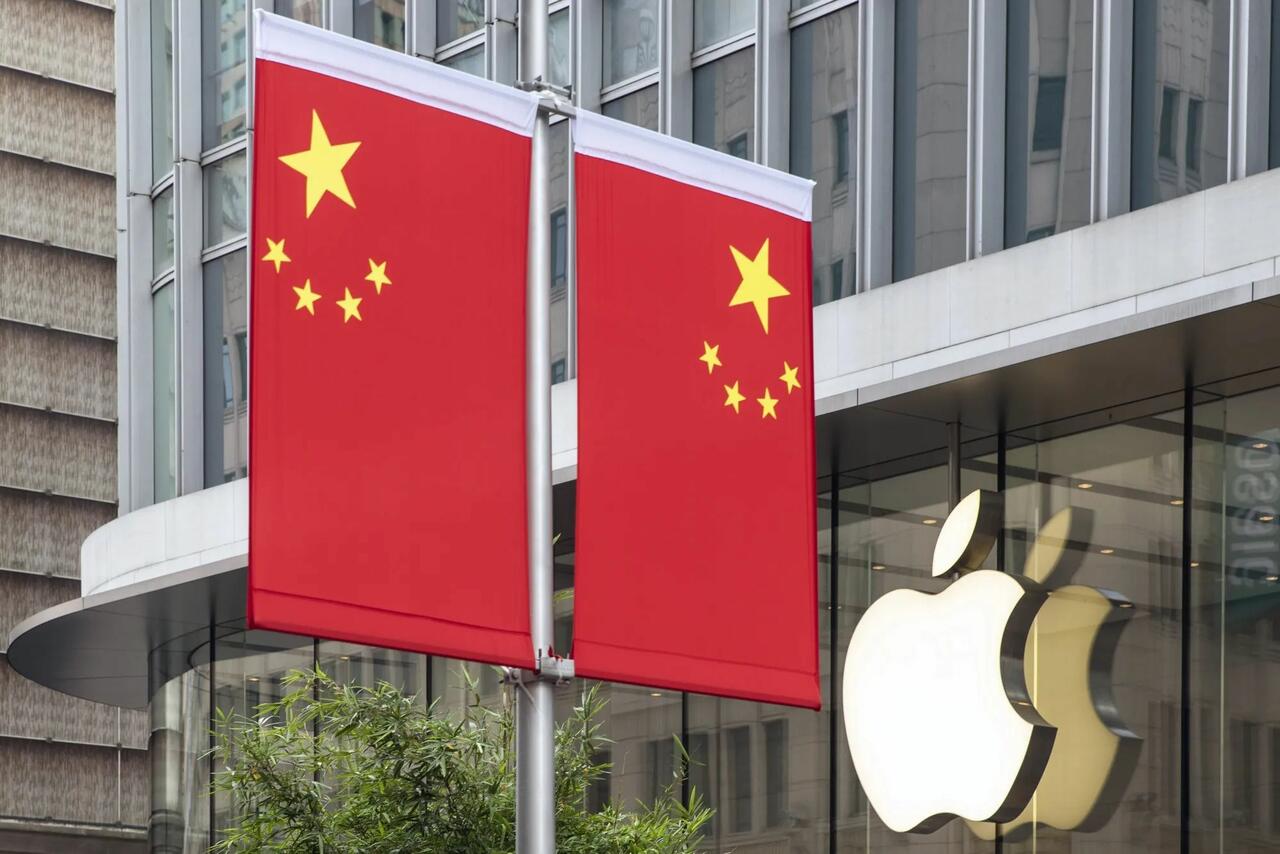
This arrangement would make Apple the first foreign company cleared by Beijing to offer a proprietary AI model in China.
The custom model is expected to power portions of Apple Intelligence when the AI suite rolls out to mainland China via an upcoming iOS update.
This marks a strategic shift from Apple's earlier plan to rely solely on third-party Chinese models for its regional generative AI features. According to the report, OpenAI's ChatGPT and Anthropic's Claude - which Apple pairs with its own technology in Western markets - are unavailable in China.
In July, China's Cyberspace Administration officially registered Apple's generative AI service, clearing the primary regulatory hurdle that had kept Apple Intelligence off local devices.
Under this approved framework, Alibaba's Qwen model will integrate into Apple Intelligence across compatible iPhones, iPads, Macs, and Vision Pro headsets sold in China, while Baidu's technology will separately support search-related features.
It remains unclear exactly how Apple's proprietary model will divide tasks with Qwen and Baidu, as the technical breakdown between the systems has not yet been disclosed.
China remains one of Apple's most crucial markets. Until now, the lack of native AI capabilities on Chinese iPhones has put Apple at a distinct competitive disadvantage against domestic rivals like Huawei, which have aggressively marketed AI-equipped handsets.
Apple Intelligence began rolling out globally in October 2024, but Apple said at the iPhone 16 launch that September that mainland China availability was "subject to regulatory approval." The CAC's July 15 registration came roughly 22 months later, clearing Apple alongside six other on-device generative AI services from Huawei, Samsung, OPPO, vivo, Xiaomi and ZTE.
The wait proved costly in a market Apple has been winning back. IDC put Apple's China smartphone share at 18.1 percent in the second quarter, up from 13.9 percent a year earlier on 24.4 percent shipment growth - the strongest gain of any major brand, and enough to move Apple from fifth place to second. Huawei held the lead at 22.6 percent. They were the only two vendors to grow at all as overall shipments fell 4.3 percent to roughly 66 million units, a fifth straight quarterly decline driven by rising memory costs and fading government subsidies.
Apple's gains came from holding iPhone 17 pricing steady while Android rivals raised theirs, and from signaling second-half price increases that pulled demand forward - mechanics that flatter one quarter rather than establishing a trend. Domestic rivals shipped on-device generative AI features throughout the wait.
Reporting has indicated Apple evaluated Baidu, ByteDance's Doubao and DeepSeek before settling on Alibaba as its primary model provider. Apple has said nothing publicly about the arrangement - every confirmation to date has come from Alibaba and Baidu, or from the regulator's own filing. No mainland launch date has been announced.