Back in 1985, an electrical engineer at Polaroid named Bill Freeman had an idea for a three-sided zipper. Not a novelty item, not a quirky art piece, but a genuinely functional fastener capable of switching objects between soft, floppy states and rigid, load-bearing structures. He submitted it to a design competition. They rejected it. He patented it anyway, then tucked the prototype away in his garage, where it sat for nearly four decades. That detail alone should give us pause. How many brilliant ideas are sitting in someone’s garage right now, waiting years for the tools and technology to finally catch up?
Freeman is now an MIT professor, and the researchers at MIT’s Computer Science and Artificial Intelligence Laboratory (CSAIL) finally did what his 1985 judges couldn’t: they took his concept seriously. The result is the Y-Zipper, a 3D-printed, three-sided fastener that can snap a floppy, flexible structure into a rigid, load-bearing beam with one smooth pull. Lead researcher Jiaji Li and the CSAIL team didn’t just rebuild Freeman’s prototype. They built an entire automated design system around it, making the whole process accessible, repeatable, and surprisingly intuitive.
Designer: MIT Computer Science and Artificial Intelligence Laboratory
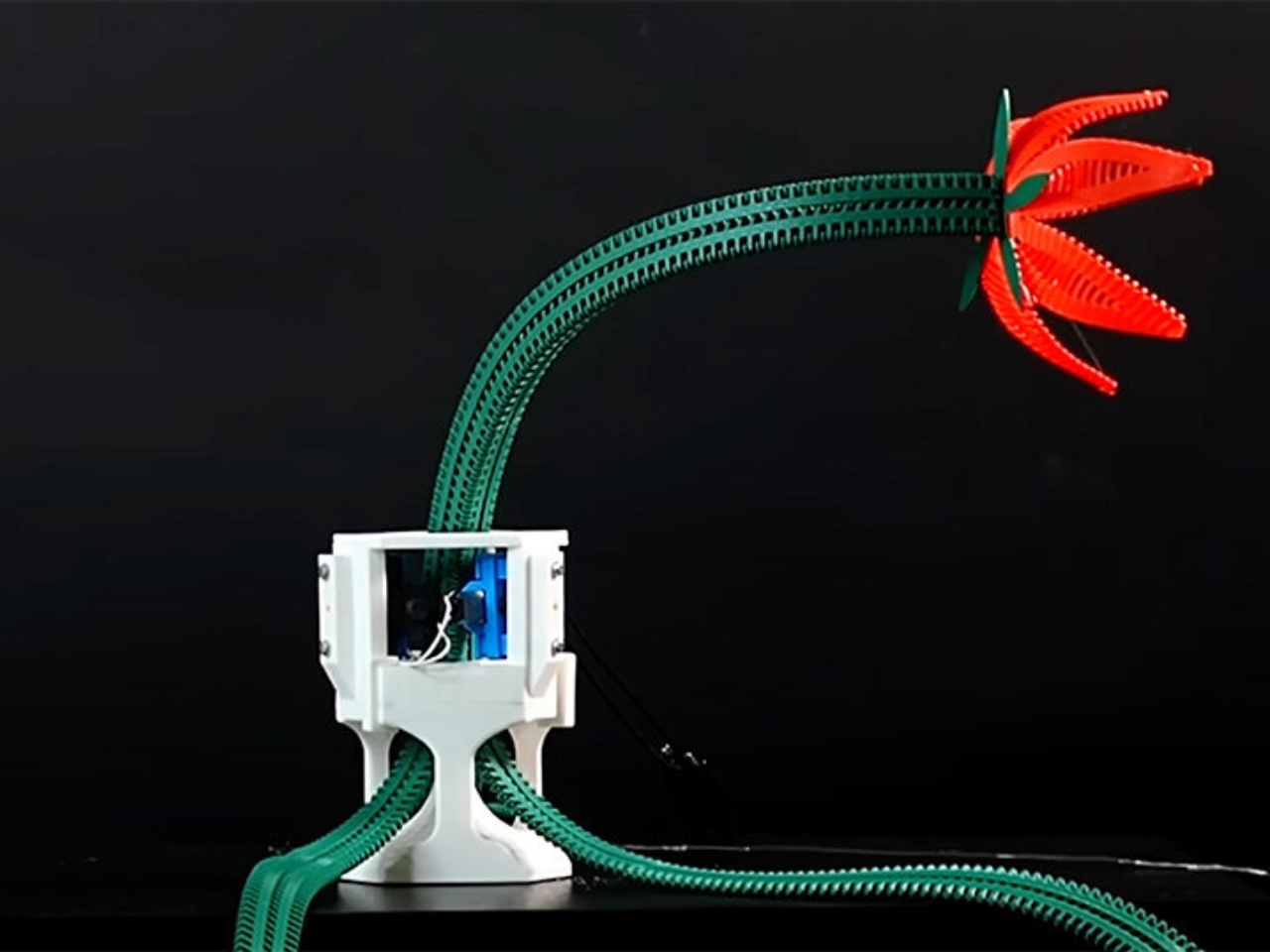
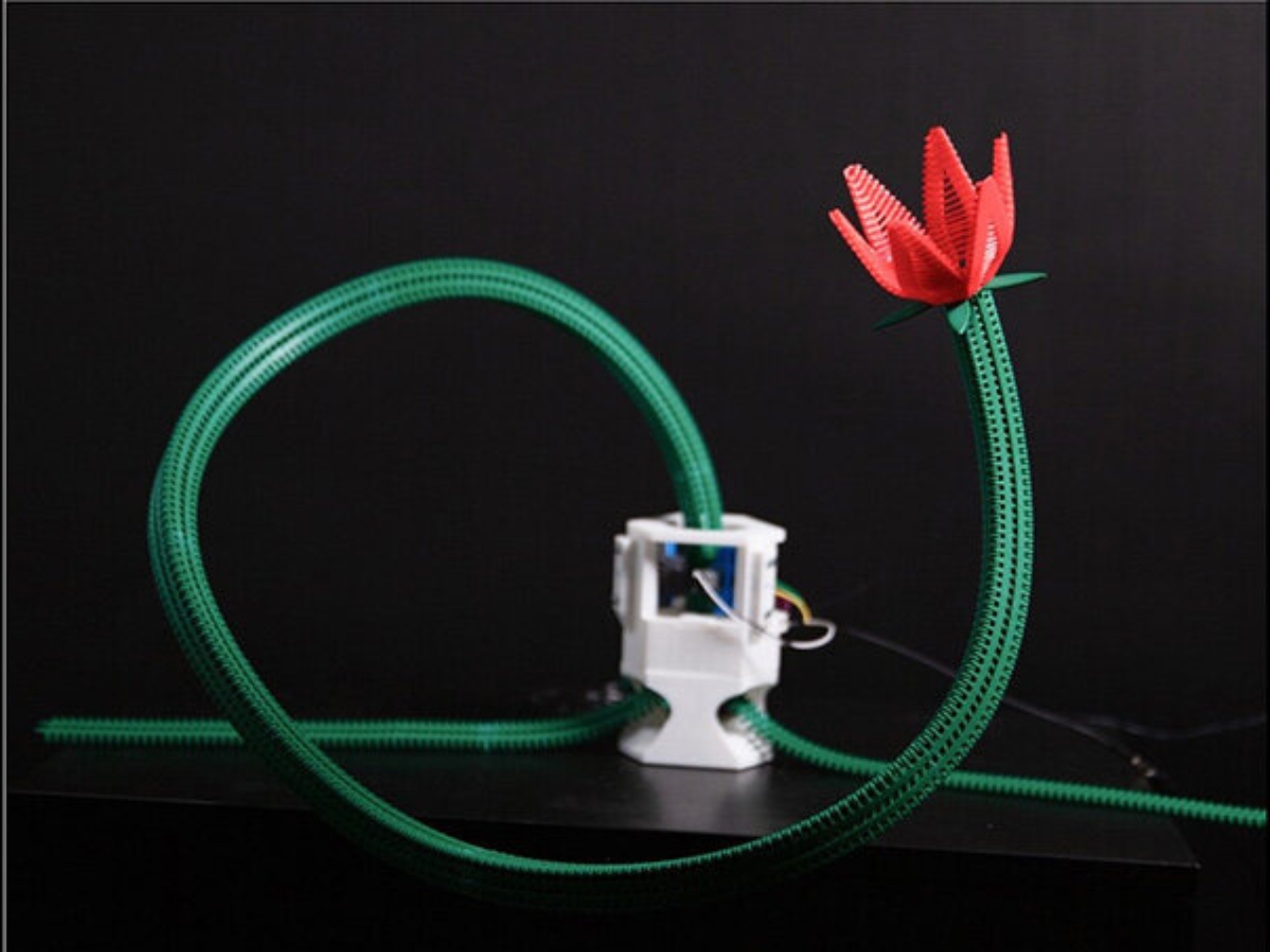
The way it works is genuinely fascinating. The Y-Zipper joins three independent flexible strips into a triangular, load-bearing rod the moment it’s zipped. Unzip it, and you’re back to soft and pliable. The process is fully reversible, and that matters more than it might initially sound. Prior attempts to create structures with so-called “tunable stiffness” were either difficult to reverse or required a frustrating amount of manual assembly. The Y-Zipper solves both problems at once.
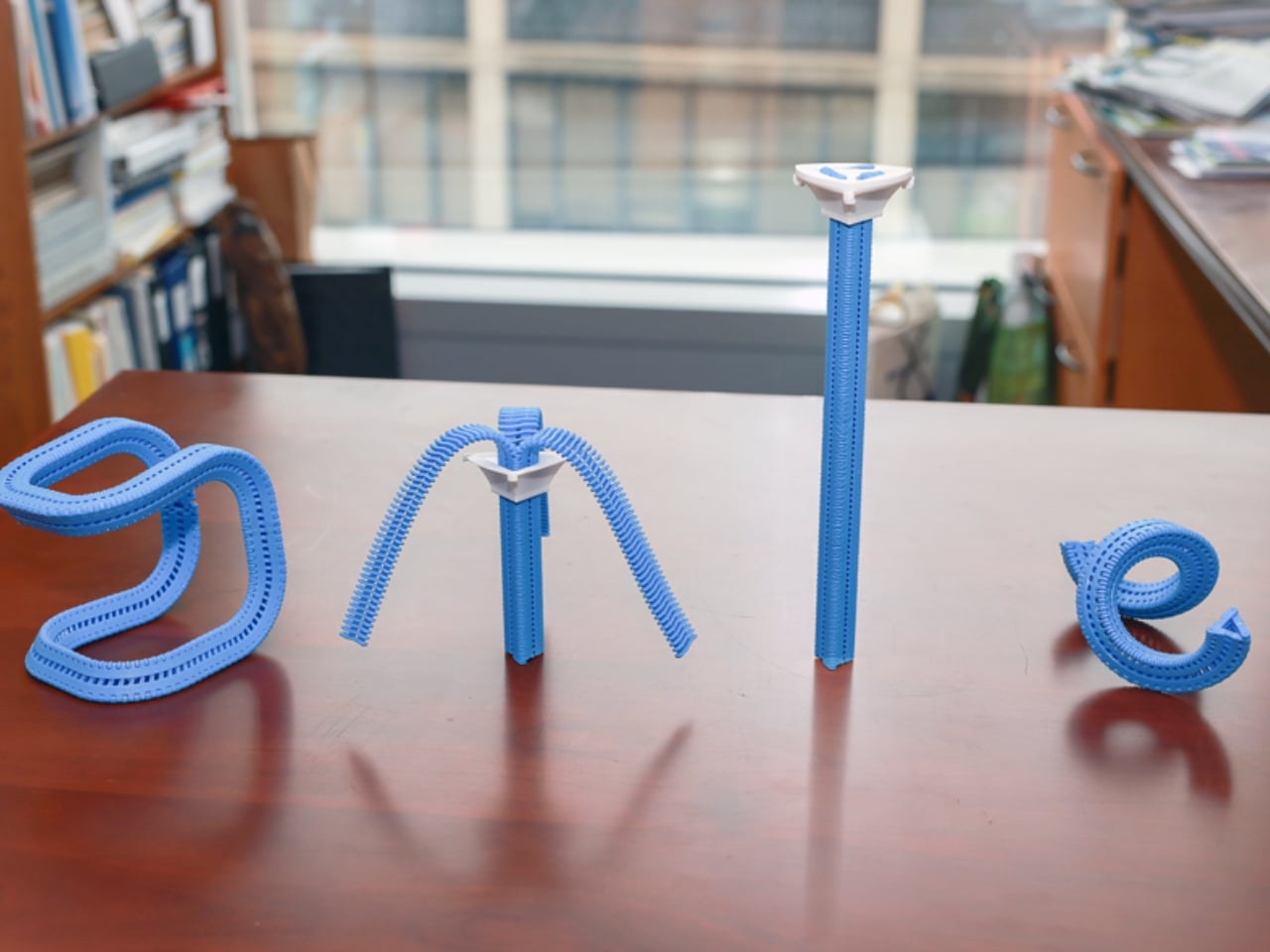
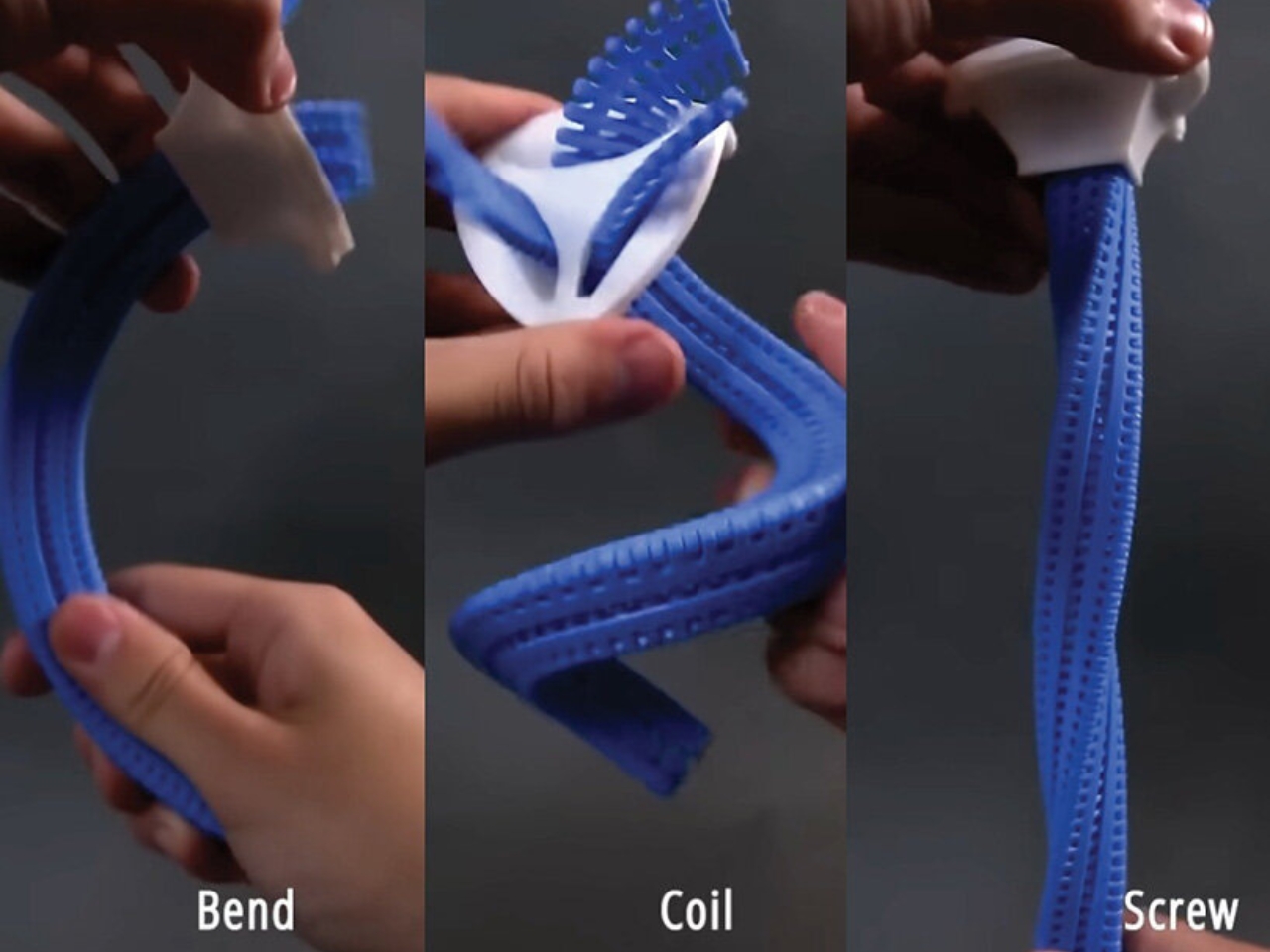
Users can customize their zipper through CSAIL’s software before sending it to a 3D printer. You choose the strip length, the bend angle, and one of four motion configurations: straight, bent like an arch, coiled like a spring, or twisted like a screw. The printer builds the rest entirely on its own. That level of design control, combined with how simple the final action is (just zipping), is the kind of elegant engineering that deserves more attention than it typically gets.
The range of potential applications is broad enough that it’s hard to pick a favorite. The team has already demonstrated uses in camping gear, medical equipment, robotic limbs, and art installations. But the possibilities they hint at are where it gets genuinely exciting. Imagine a spacecraft with Y-Zipper-equipped tentacles that can flex and lock into position to grab rock samples, or disaster relief workers assembling rigid medical tents in seconds from structures that were flat and portable just moments before. These aren’t far-fetched scenarios; they’re on the CSAIL team’s own radar.
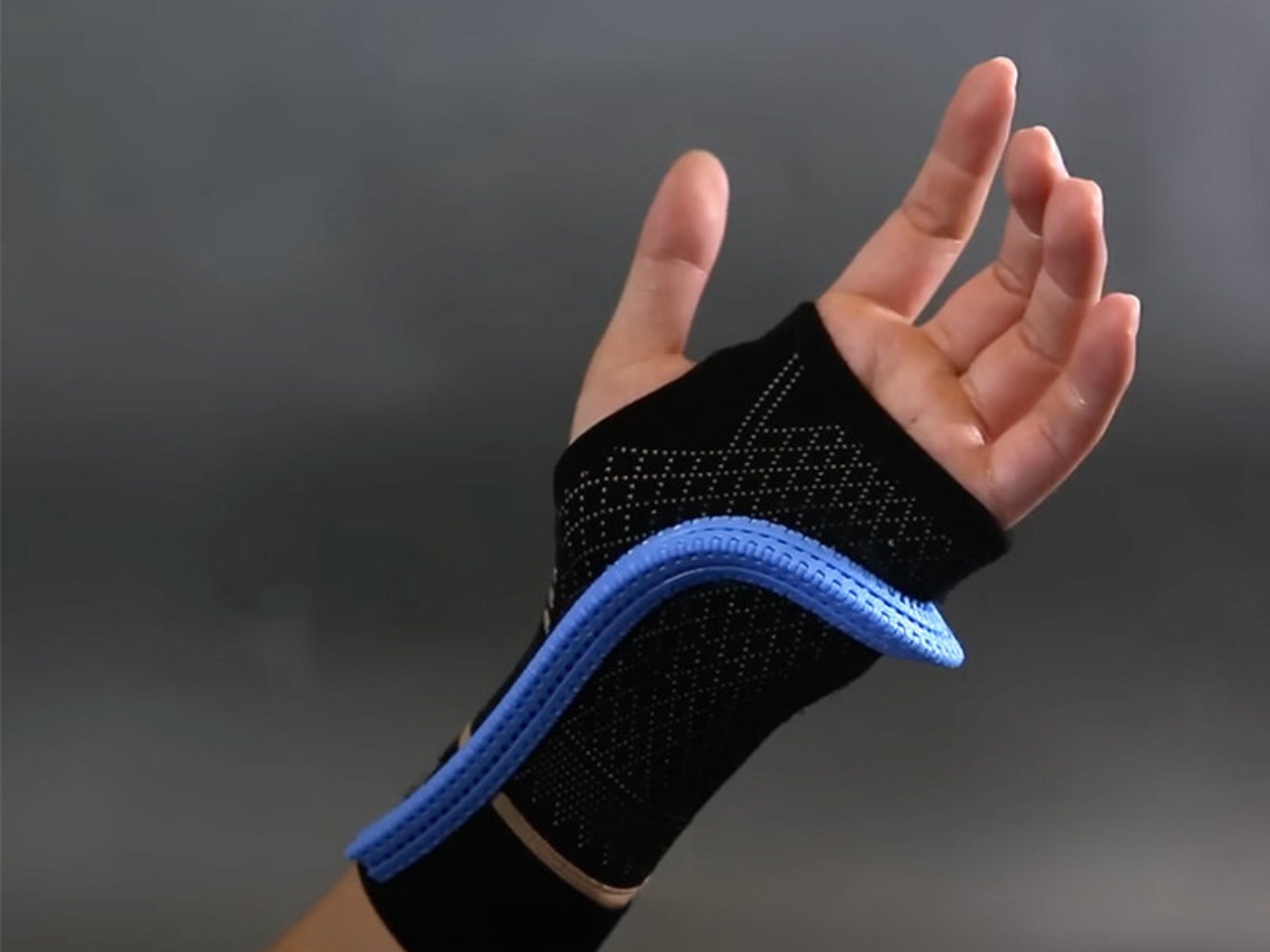
It also raises an interesting design question. We tend to think of rigidity and flexibility as fixed properties of a material. You pick one or the other at the manufacturing stage, and that’s what you get. The Y-Zipper challenges that assumption at a very basic level. An object doesn’t have to commit to a single state. It can be soft when you need to fold it, transport it, or store it, and rigid when it needs to perform. That’s not a minor tweak to existing materials science. That’s a fundamentally different way of thinking about how we build things.
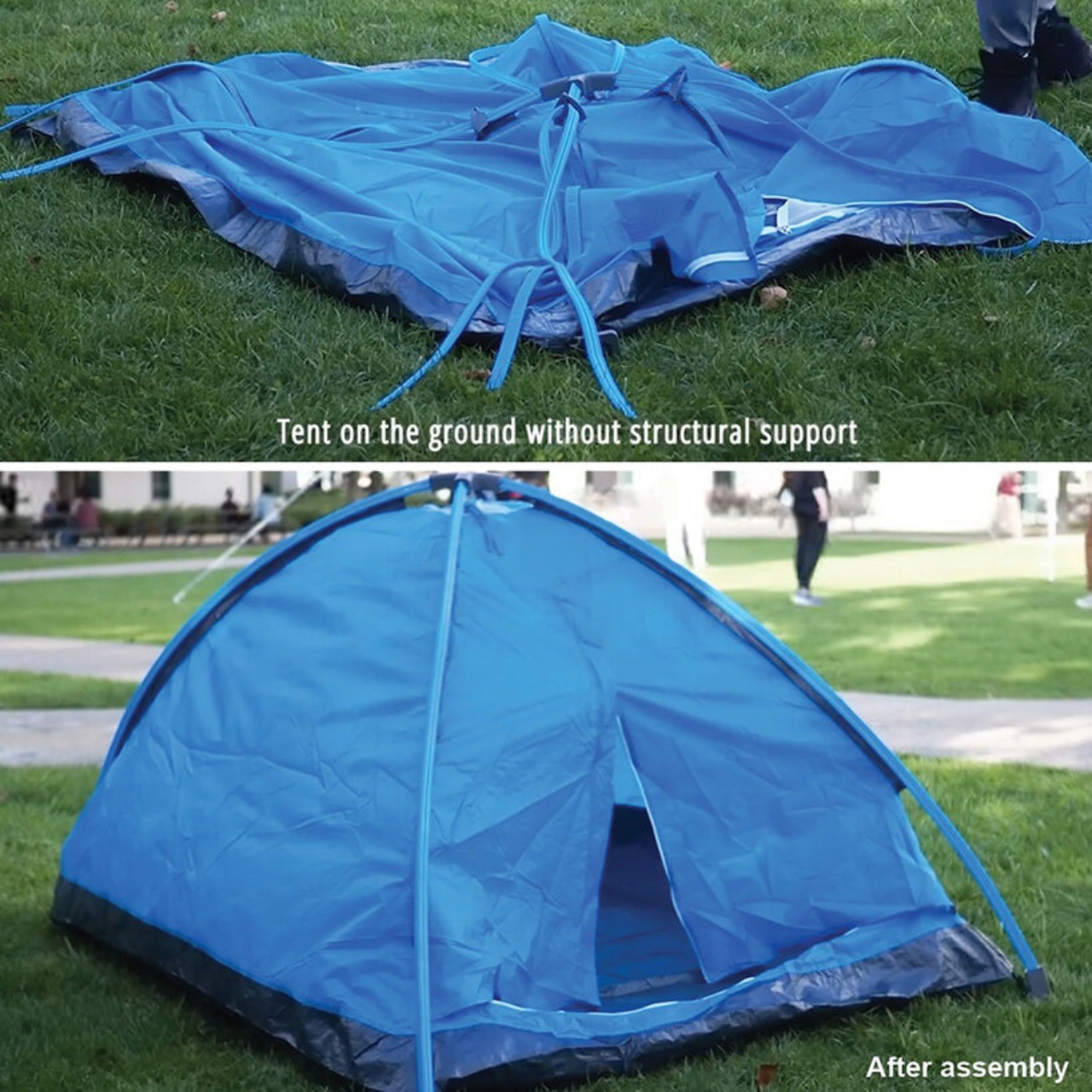
For now, the Y-Zipper is limited to plastic filaments, and the team openly acknowledges that future versions using metal could unlock even more durability and strength. Scaling up to larger structures is also something they’re working toward. But the fact that a fully functional, customizable version already exists and works is the more significant milestone. The foundation is there.

Credit where it’s due: Freeman deserves the recognition. He saw the potential of a three-sided fastener forty years before anyone had the tools to build it properly. That kind of ahead-of-its-time thinking tends to get dismissed precisely because it can’t be proven yet. The Y-Zipper’s story is, among other things, a quiet argument for why we should be much slower to reject ideas that simply need more time to find their moment.