
Georgia Power isn’t negotiating anymore. The Southern Company subsidiary is seizing dozens of homes and hundreds of easements across Coweta and Fayette counties to ram through a 35-mile, 500-kilovolt transmission line that will feed at least four massive AI data centers. Project Wansley is just the latest flashpoint in a backlash that has been building for months.
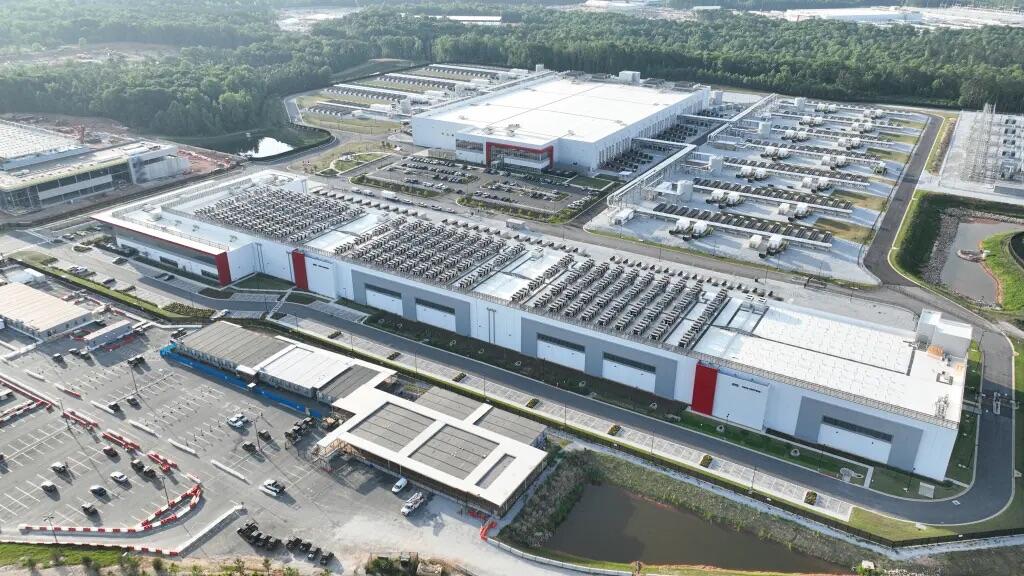
At least 20 to 30 homes face outright demolition. Another 300-plus properties will get permanent easements for towers planted in backyards and next to pools.
But residents like Ansley Brown are fighting back. Her mother bought their family home in 2003 through a USDA rural development loan for single mothers. Now the utility wants the property for the corridor. Brown’s viral TikTok exposing the lowball offers (she says $70,000 to $100,000 below market) has racked up millions of views and drawn state lawmakers into the fight.

Georgia Power says the line is essential.
The company is racing to add roughly 10 gigawatts of new generating capacity over the next five years, with executives openly stating that about 80% of that power will go to data centers. Meanwhile, transmission has become the bottleneck, and utilities are turning to eminent domain to clear the path.
This isn’t happening in isolation. We’ve been pounding the table on data center resistance, from Northern Virginia counties rejecting new substations to Texas communities suing over water drawdowns and power rate spikes. The pattern is the same: hyperscale demand collides with local infrastructure limits, and the costs get socialized while the profits stay private.
Electricity prices are already feeling the pressure. Utilities across the Southeast and Midwest have warned of double-digit residential rate hikes tied directly to data center load growth. Georgia Power’s own filings show residential customers absorbing a growing share of the bill for transmission and generation built primarily for big tech.

The same dynamic is playing out with Meta’s Georgia facilities, where local reporting has highlighted water quality complaints, including muddy runoff affecting nearby residents, alongside the power demands.
We’ve seen this movie before with pipelines and wind farms. The difference now is the sheer scale of the load and the speed at which it’s arriving. Data centers don’t just want power; they want it yesterday, and they’re willing to let utilities use the state’s hammer to get it. The pushback in Georgia is a warning shot as more communities draw the same line.