An announcement from the administration's Science and Technology Director, Michael Kratsios, regarding the establishment of the National Initiative for American Space Nuclear Power sent reactor development companies higher over the following trading days.
Oklo and NuScale have been soaring...
<Chart>
Investors are betting on reactor development companies being involved in multiple different nuclear-related applications in space missions to include propulsion, shuttle electrical power, and power for bases on the moon and Mars. The question stands, though, as to which developer actually has a chance of being involved in any of these programs?
For those not tracking, outer space has some slightly different environmental factors to consider compared to the surface of the Earth. Multiple physics headaches including low or zero gravity create headaches that prevent certain reactor designs from ever having a hope of operating in extraterrestrial settings.

Additional problems, like not having a readily available heat sink like a large body of water nearby, creates compound difficulties for some of the more traditional reactor designs.
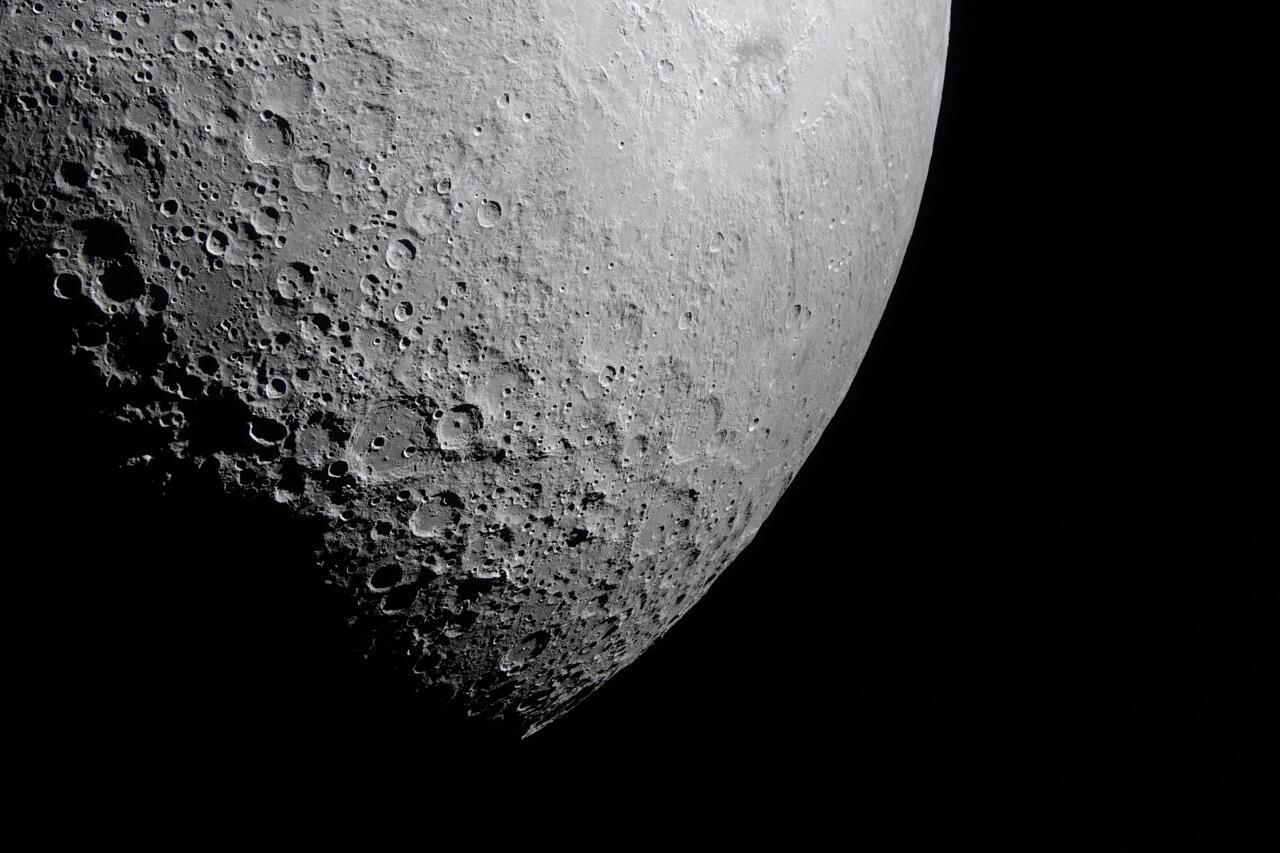
Earlier this year, the administration began talking about putting reactors on the moon by 2030. We provided some details to our readers about what nuclear companies they should expect to be involved in the process.
Relying on the opinion of Mr. Market is likely not the best idea in a technical scenario. Instead it's best to just look at the last attempt that was made at operating reactors on the moon and derive assumptions from those that were previously involved in the program.
NASA originally made attempts to develop lunar power by working with companies like Lockheed Martin, BWXT, Westinghouse, X-energy, and Boeing. Through their coordinated efforts, the leading designs for the project pointed to high-temperature gas-cooled reactors (HTGRs) utilizing tristructural isotropic (TRISO) fuel. Given the physics of the universe haven't changed much over the past few years, it's safe to assume the reactor of choice for the latest space initiatives will likely also be a HTGR.
So who is making HTGRs today? Currently, in the publicly traded space, there is Nano Nuclear and Terra Innovatum. X-energy is another likely candidate for the program, and they recently submitted their S-1 to begin the process to execute an IPO later this year.
Terra Innovatum has yet to make any announcement regarding the extraterrestrial application of their SOLO reactor design, but Nano Nuclear’s Loki reactor is specifically marketed for environments like outer space.
BWXT is also likely to be involved to some extent due to their extensive experience working with NASA in the areas of nuclear propulsion. Additionally, BWXT is one of only two manufacturers that is able to produce TRISO fuel in the US.
If anything, the pump across the board for nuclear names should be less attributed to their potential for involvement in NASA's missions and more attributed to the wider adoption and acceptance of nuclear energy across multiple applications besides just powering the grid.
It is a very straightforward conclusion that only certain reactor designs can operate in space. Companies like NuScale and Terrestrial Energy will almost certainly be excluded due to the physics of operating off of Earth.