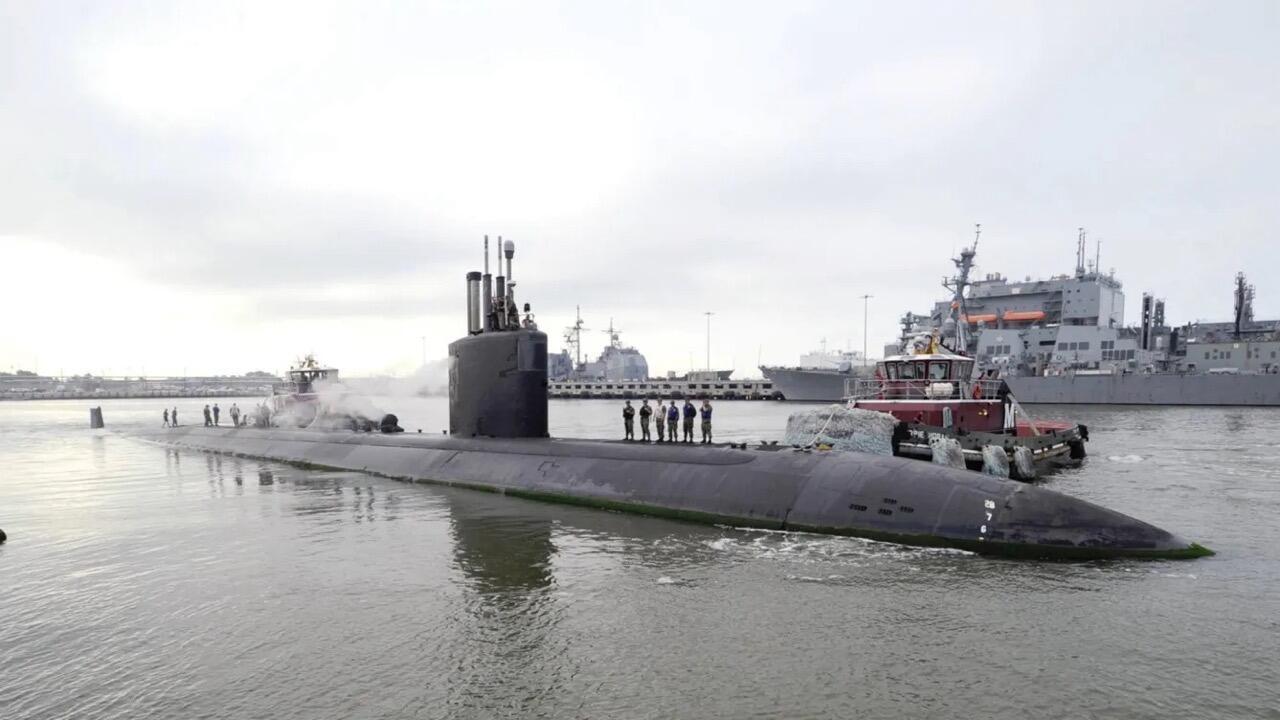
The U.S. Navy has finally thrown in the towel on the Los Angeles-class attack submarine USS Boise (SSN-764). After more than eleven years pierside and roughly $800 million poured into a repair effort that never really started, the service announced that the 34-year-old boat will be inactivated rather than returned to the fleet.
The decision comes as the Navy shifts focus to Virginia- and Columbia-class construction, yet one has to wonder why those same priorities could not have been acted on years earlier while Boise gathered dust and the rest of the submarine force picked up the slack.

Boise last deployed in January 2015. Its regular overhaul was supposed to begin in fiscal year 2016 at Norfolk Naval Shipyard. Instead, the boat sat idle, lost its dive certification in 2017, and was towed back and forth between public and private yards. A $1.2 billion contract finally went to Huntington Ingalls Industries Newport News in 2024, but costs had already climbed and the work barely progressed.
The submarine has spent the better part of a decade contributing nothing to deterrence or operations while other attack boats endured extended deployments and accelerated redeployments to cover the shortfall.
Roughly one-third of the Navy’s nuclear attack submarines have routinely sat in maintenance or idle status in recent years, well above the service’s own 20% target, forcing the available boats into higher operational tempo and longer patrols. The backlog creates a vicious cycle with fewer submarines at sea. This means more wear on those still deployed, which in turn means more maintenance down the road.
The episode also underscores just how far American shipyards have fallen. Contrast today’s performance with the Pearl Harbor Navy Yard immediately after the December 7, 1941, attack. With the yard working around the clock with Navy crews, civilians, and divers logging more than 20,000 hours underwater, battleships like Nevada, California, and West Virginia were refloated and patched in a matter of weeks.
The carrier Yorktown, battered at Coral Sea and estimated to need three months of repairs, received emergency work in roughly seventy-two hours and sailed in time to help win the Battle of Midway. The industrial base then could absorb catastrophic damage and surge back into the fight. Today, the US can’t overhaul one submarine in more than a decade without the price tag exploding and the project collapsing.
From our previous coverage on the topic, we have to wonder if this decision to inactivate the Boise has anything to do with the $448 million Palantir contract for utilizing their AI to improve submarine maintenance and construction. The Navy partnered with Palantir to tackle precisely these bottlenecks in new construction and maintenance.
The Navy now insists the Boise decision frees skilled labor and dollars for higher priorities. Yet after eleven years of inaction, millions spent, and a force stretched thin, the move feels less like strategic wisdom and more like an admission that the system has been broken for far too long.