By Eric Kulisch of FreightWaves,
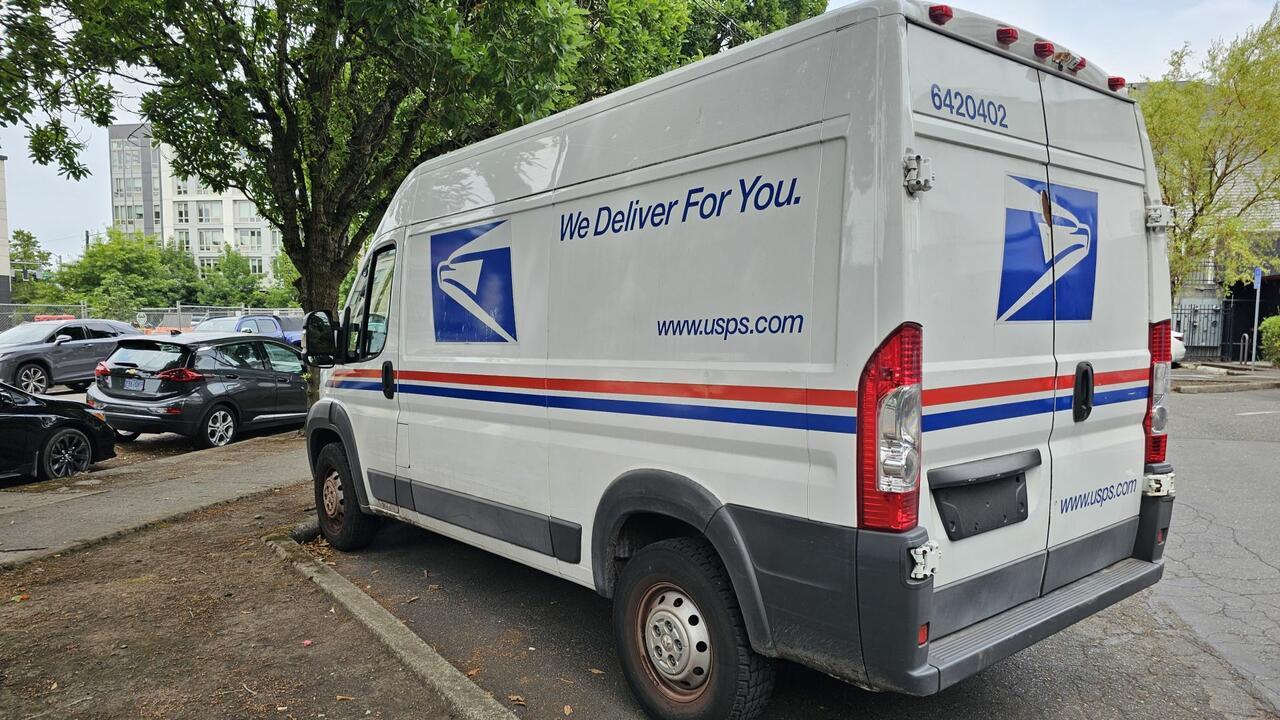
The U.S. Postal Service is seeking permission to impose a fuel surcharge on parcel products for the first time ever to cover soaring transportation costs for gasoline and diesel fuel, which have jumped more than 30% since the invasion of Iran by the United States and Israel nearly a month ago.

Parcel shipments would be charged an 8% fee, on top of their regular transportation charge, if the fee is approved.
The quasi-private agency on Wednesday sought permission from the Postal Regulatory Commission for a time-limited price adjustment on parcel shipments because of rapidly changing market prices for fuel. It would be the first time in its history that the Postal Service has applied a fuel fee, a common practice with private carriers like DHL, FedEx and UPS.
The Postal Service also said that the temporary surcharge would help it transition to a permanent mechanism for imposing surcharges on competitive products to support its universal service obligation in a more financially sustainable way.
Last fiscal year, the USPS lost $9 billion, with an operating loss of about $2.7 billion.
The 8% planned price change, which was approved by the Governors of the Postal Service on Tuesday, would affect base postage prices Priority Mail Express, Priority Mail, USPS Ground Advantage, and Parcel Select. The price change is scheduled to go into effect on April 26 and remain in place through Jan. 17, 2027. At that time, the Postal Service can determine if a different long-term approach is needed.
Nearly all USPS delivery vans run on gasoline, which has jumped about $1 in price to nearly $4 per gallon in less than a month. The organization also uses diesel fuel for large trucks that move mail and packages long distances to distribution centers.

The big parcel carriers have standard fuel surcharge mechanisms that automatically update each week as the price of fuel changes. Instead of constantly adjusting base transportation rates, the carriers use fuel surcharges as a flexible pricing mechanism tied to external fuel indexes. Their fuel surcharges currently range from about 21% to 34% of the base transportation rate, depending on mode and import/export status.
UPS on March 9 imposed another 1% increase to its fuel surcharge table for domestic shipping. It is the carrier’s third fuel surcharge increase this year. UPS and FedEx have also introduced temporary fees for shipments between the U.S. and Middle East.
The Postal Service said its fee is less than one-third of what its competitors charge for fuel alone.
“So even with this change, the Postal Service continues to offer great value in shipping with some of the lowest rates in the industrialized world,” the USPS said in a news release.
The Postal Regulatory Commission will review the proposed price change before it is scheduled to take effect.