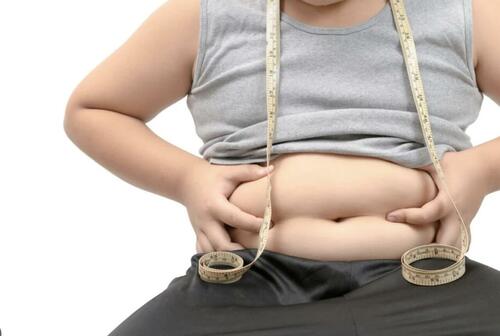
Childhood obesity in the United States has reached its highest recorded level, renewing debate over school meals, physical activity, nutrition policy and the role of weight-loss medications for young people, according to The Hill. Data from the Centers for Disease Control and Prevention shows more than 1 in 5 children and teenagers were obese between 2021 and 2023, up from 5.2 percent in the early 1970s. About 7 percent now meet the criteria for severe obesity.
The issue has become part of the “Make America Healthy Again” initiative connected to Robert F. Kennedy Jr. at the U.S. Department of Health and Human Services. Discussions around solutions often center on improving school meals and increasing opportunities for physical activity.
Nutrition advocates say school meal programs play a critical role in children’s diets. For some students, breakfast and lunch at school are the most nutritious meals they receive each day. Erin Hysom of the Food Research & Action Center said pandemic school closures disrupted that support. “They’re noting that this increase in obesity occurred during COVID-19 and that jump in childhood obesity happened during the years when millions of kids lost access to reliable school meals,” she said.

The Hill writes that only nine states currently provide universal free breakfast and lunch to public school students, though others are considering similar programs. Federal officials have also promoted updated nutrition guidance that emphasizes whole foods and discourages ultra-processed products, which account for more than 60 percent of children’s daily calories.
Researchers say improving school meals will require additional funding, trained staff and better kitchen equipment so schools can prepare more fresh food. At the same time, the administration has approved requests from 18 states to remove soda and junk food from certain food assistance programs and announced new nutrition training requirements for future physicians.
Experts also point to declining physical activity in schools as a contributing factor. Erin Hager of the Johns Hopkins Bloomberg School of Public Health said opportunities such as recess and physical education have gradually been reduced as schools focus more heavily on testing. “Many of those physical activity opportunities that a lot of us kind of take for granted… have been taken away and replaced by a focus on standardized tests,” she said.
Medical treatments are also part of the conversation. The Food and Drug Administration has approved several obesity medications for adolescents ages 12 to 17, including Wegovy, Saxenda, Orlistat and Qsymia. Prescriptions for these drugs rose sharply after their approval, though they are still used by only a small share of eligible teens.
Matthew Haemer of the American Academy of Pediatrics said prevention remains the priority, but medication can help some patients. “For those children — especially those children with the most severe obesity… FDA-approved medications can be a helpful tool in the toolbox,” he said.
Loading recommendations...